
Why Does Natural Wine Taste Different from Conventional Wine
November 19, 2026
Natural wine tastes different because growers and winemakers intervene less, so the fruit, yeast, skin contact, and bottle variation show up more clearly in the glass. That can make it feel livelier, cloudier, funkier, and sometimes less polished than conventional wine.
If you are reading this because a bottle tasted “weird” or unexpectedly vibrant, you are not imagining it. This can be confusing for many people, and we hear it often from customers looking for why choose natural wine for dinner or a more guided taste profile quiz.
Key Takeaways
- Natural wine tastes different because it usually uses less cellar manipulation, which changes aroma, texture, acidity, and how stable the bottle feels from pour to pour.
- Unfiltered and unfined wines often look cloudy and can taste more textured, earthy, or “funky” than conventional wine.
- Native yeast fermentation, skin contact, and lees contact can add body, spice, tannin, and savory notes that stand out right away.
- Bottle variation is normal in many natural wines, so two bottles of the same wine can taste slightly different.
- If you want a bottle with less guesswork, ask a Long Island wine store or Commack liquor store for food-friendly natural wine options that match your meal.
Why natural wine tastes louder, cloudier, and more alive than the bottle next to it
Natural wine tastes louder because it usually keeps more of the grape’s raw character and less of the winemaker’s polish. That means you may notice brighter acidity, a cloudy wine appearance, more texture, and stronger wine aroma compounds. A conventional bottle is often made to taste consistent; a natural bottle is often made to taste expressive.
The fermentation choices that make natural wine feel less polished and more expressive
The biggest difference starts in fermentation. Natural wine often relies on native yeast fermentation or wild yeast fermentation instead of lab-selected strains, and that can create broader, less predictable aromas. It may also use minimal intervention wine methods, which means less filtration, less fining, and fewer corrections to the finished wine.
Here is the part most people miss: conventional wine vs natural wine is often not about “good” versus “bad.” It is about winery intervention levels. A conventional winery may aim for clarity, stability, and repetition. A natural producer may accept a little edge if it helps preserve terroir expression in wine.
StyleTypical sensory effectCommon tradeoffConventional wineCleaner fruit, tighter consistency, polished finishLess bottle-to-bottle surpriseNatural wineBrighter acidity, funkier aroma, more textureMore variation, less predictabilityI had a customer in Commack bring in two bottles from the same producer and ask why one smelled like ripe pear while the other leaned savory and herbal. That is a classic natural wine moment. The bottle was not flawed. It was simply more open to small shifts in fermentation vessel influence, oxygen exposure, and bottling differences.
Why unfiltered wine flavor and bottle variation can surprise even seasoned drinkers
Unfiltered wine flavor and unfined wine texture often leave more solids, lees, and aroma compounds in the bottle. That can create a hazy look and a fuller, sometimes slightly grippy feel. It can also make the wine seem more alive, because the flavors keep changing in the glass. Bottle variation in natural wine is real. One bottle may show citrus and chalk, while another leans bruised apple, hay, or even a light cider note. That does not automatically mean a flaw. It means the wine was made with fewer corrective steps, so the final profile is more open to chance.
For shoppers who want that style without a blind gamble, ask for a bottle with clear food use in mind. A light natural rosé, chilled Pinot Noir, or bright Sauvignon Blanc often gives you the style with fewer surprises than a highly volatile orange wine flavor profile.
What vineyard farming and cellar intervention are really doing to the glass
Farming and cellar choices change what reaches your glass long before the cork comes out. Organic wine fermentation and biodynamic wine practices can improve fruit expression, but they do not guarantee a wine tastes a certain way. The real result comes from how the grapes were grown, how the juice was handled, and how much the winemaker stepped in afterward. 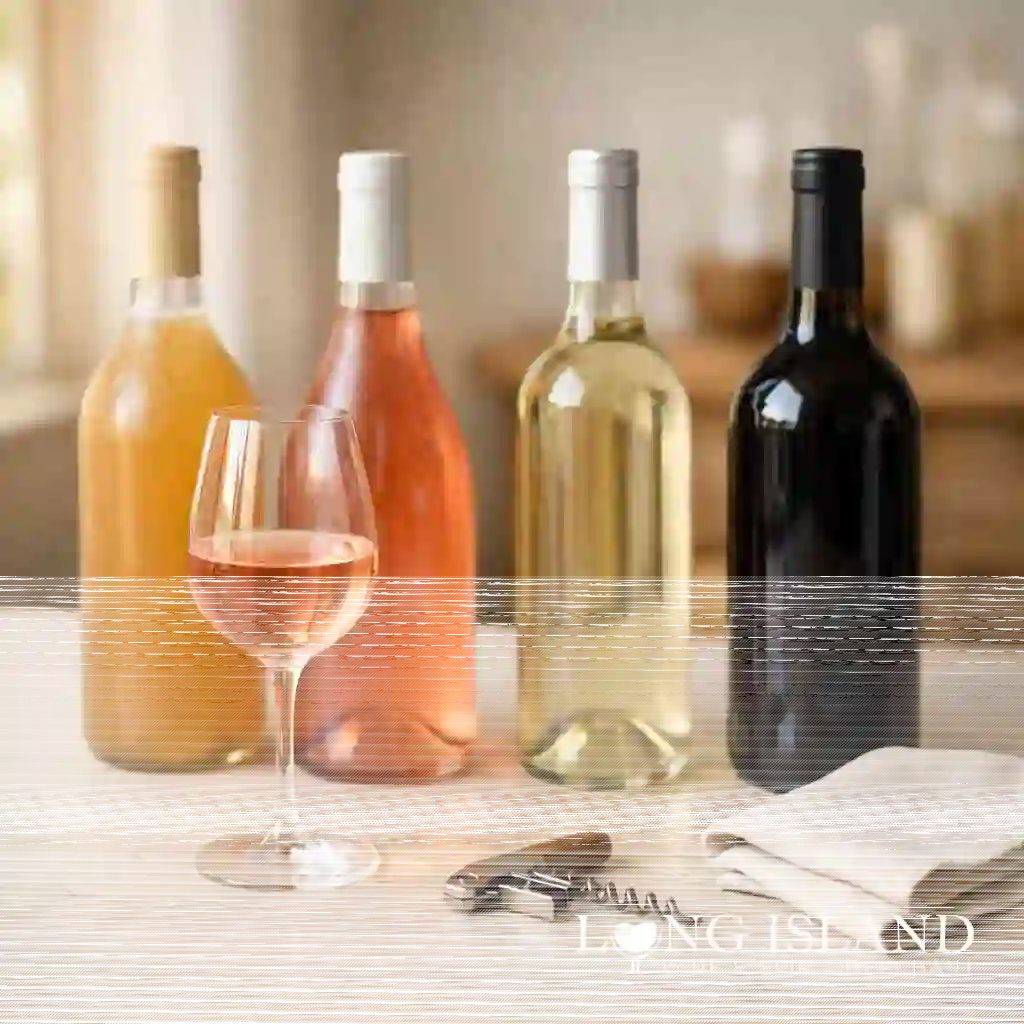
How organic wine fermentation and biodynamic wine practices shape terroir expression in wine
Organic wine and biodynamic wine often begin with healthier soils, lower chemical intervention, and more attention to vineyard rhythm. Those vineyard farming methods can support stronger fruit character and clearer terroir expression in wine. That is why one North Fork Chardonnay may taste saline and apple-driven while another leans tropical and broad, even if both are grown with care.
For reference, the U.S. Alcohol and Tobacco Tax and Trade Bureau sets labeling and compliance rules for wine and spirits sold in interstate commerce, while food and alcohol guidance from agencies like the FDA food guidance and the National Institute on Alcohol Abuse and Alcoholism helps frame responsible consumption and safety. Those rules do not define flavor, but they do matter when you are comparing what is in the bottle and what the label can claim.
A few common farming and cellar patterns help explain taste:
- Healthier fruit can make acidity feel cleaner.
- Lower intervention can preserve herbal, floral, or savory notes.
- Less manipulation can let the grape variety speak more clearly.
That is one reason shoppers asking for a Suffolk County wine merchant often want both the story and the style. They do not just want “natural.” They want something that fits steak, seafood, or a simple dinner at home.
Why native yeast fermentation, skin contact wine, and lees contact wine change body and mouthfeel
Native yeast fermentation changes how aroma builds and how the wine finishes. Different yeast populations produce different aroma compounds, so the wine may show more spice, sour cherry, bread dough, or orchard fruit than a standard inoculated wine. Skin contact wine adds another layer by pulling color, tannin, and phenolic grip from the grape skins, which is why orange wine flavor can feel savory, tea-like, or dried-fruit driven.
Lees contact wine works differently. When wine rests on dead yeast cells, it often gains weight, creaminess, and a rounder mid-palate. That is why some natural Chardonnay and sparkling styles feel broader, softer, and more tactile. The effect is especially noticeable in pet-nat sparkling wine, where you may get a cloudy pour, bright acidity, and a rustic, lively bead.
A quick comparison helps:
TechniqueWhat it changesWhat you tasteNative yeast fermentationAroma and complexityMore savory, wild, or layered notesSkin contact wineColor, tannin, gripTea, spice, dried fruit, orange wine flavorLees contact wineTexture and bodyCreamier mouthfeel, bread dough, roundnessA customer once asked for a bottle that would work with roasted chicken and mushrooms but still feel “interesting.” We reached for a lightly skin-contact white instead of a standard Sauvignon Blanc. It gave enough structure for the food without pushing into the louder, more volatile side of natural wine. That is often the sweet spot for natural wine for beginners.
If you want a safer path, look for wines with moderate natural wine acidity, modest tannin structure in natural wine, and clear fruit. Ask a Long Island liquor store team member for guidance, or browse the difference between natural wine and organic wine before you buy. If you are nearby, Liquor Store Open in Commack can help you compare styles for dinner, gifts, or wine tasting events, with wine pairings for steak and other food matches in mind.
For a convenient option with real selection and 50-state shipping, you can also check Liquor Store Open or review shipping details before you order. If you want a bottle that matches your table, your budget, and your comfort level, start with one style and one meal, then build from there.
Frequently Asked Questions
Question: Why does natural wine taste different from conventional wine, and how can Liquor Store Open help me choose the right bottle?
Answer: Natural wine tastes different because it usually involves minimal intervention wine methods, including native yeast fermentation or wild yeast fermentation, less filtration, and fewer cellar corrections. That can lead to a cloudy wine appearance, funky wine aromas, brighter natural wine acidity, and more noticeable bottle variation in natural wine. Conventional wine vs natural wine is often really about winery intervention levels: conventional wines are typically made for consistency and polish, while natural wines are often made to show more terroir expression in wine and a more hands-on sense of the vineyard. At Liquor Store Open, we help shoppers compare styles for food, gifts, and everyday drinking, whether you want organic wine, biodynamic wine practices, or a more classic fine wine selection. If you are unsure where to start, our team can point you toward approachable rosé, pinot noir, sauvignon blanc, or chardonnay options that fit your comfort level and your meal.
Question: What makes natural wine more cloudy, funky, or textured than a standard bottle?
Answer: The cloudy look and textured feel often come from unfiltered wine flavor, unfined wine texture, lees contact wine, and sometimes skin contact wine. Those choices can increase body and mouthfeel, add wine aroma compounds, and create more earthy wine notes or orange wine flavor depending on the grape and the winemaking approach. Some bottles also show more wine oxidation differences or volatile acidity in wine if they were made very naturally, which is why the style can seem louder or less polished than a conventional bottle. That does not automatically mean something is wrong; it often means the producer chose to preserve character over consistency. If you want a bottle that still feels balanced, Liquor Store Open can help you choose between a lightly skin-contact white, a pet-nat sparkling wine, or a cleaner natural style that still pairs well with dinner.
Question: Can you explain how organic wine fermentation and biodynamic wine practices affect flavor?
Answer: Organic wine fermentation and biodynamic wine practices can influence flavor indirectly by supporting healthier vineyards and clearer fruit expression, but they do not guarantee a specific taste. Vineyard farming methods can shape acidity, tannin structure in natural wine, and how strongly the grape variety comes through in the glass. For example, one cabernet may feel structured and dark-fruited, while another may taste brighter or more herbal depending on soil, climate, and cellar choices. At Liquor Store Open, we like helping customers connect the style to the occasion, whether they are shopping for wine tasting events, wine pairing basics, or simply looking for a thoughtful bottle to enjoy at home. We carry a broad mix of options, including organic wine, biodynamic wine, and classic bottles for shoppers who want a known profile with less guesswork.
Question: Is natural wine a good choice for beginners, and what should I pair it with?
Answer: Yes, natural wine can be a great choice for beginners if you start with approachable styles. A fresh rosé, bright sauvignon blanc, chilled pinot noir, or a softer chardonnay can introduce the category without overwhelming you with strong funky wine aromas or heavy skin contact wine character. For food, many natural wines work well with wine pairing for steak, roasted chicken, mushroom dishes, seafood, and simple share plates because their acidity and texture can add energy to the meal. If you are shopping for a dinner, party planning, or a gift basket, Liquor Store Open can suggest bottles based on flavor preference, not just label style. We also help customers compare natural wine for beginners with more familiar conventional options so they can build confidence and find what they truly enjoy.
Question: Does Liquor Store Open carry natural wine, fine wine, and other options like craft spirits, champagne, and holiday gifts?
Answer: Liquor Store Open is an online liquor store serving Commack, New York on Long Island with 50-state shipping, and we offer a wide range of products beyond wine, including craft spirits, rare whiskey, small-batch bourbon, single malt scotch, cognac, tequila, mezcal, vodka, gin, rum, amaro, vermouth, and more. For wine shoppers, that can include natural wine, organic wine, biodynamic wine, rosé, cabernet, pinot noir, chardonnay, sauvignon blanc, champagne, and prosecco, depending on current selection. Because inventory can change, we always recommend checking the site or reaching out directly for the most up-to-date options rather than assuming a product is available. Customers also come to us for corporate gifts, gift baskets, New Year’s champagne, Valentine’s wine, summer cocktails, mixology supplies, and help deciding how to build home bar essentials. If you are in the area, you can also ask about Commack NY alcohol delivery or curbside pickup where available, and if you are comparing bottles, we are happy to help you find a thoughtful match for your table and budget.


