
Liquor Store Open Explains New York State Liquor Laws 2026
April 14, 2026
Navigating the Legal Spirit: A Primer on New York’s Regulatory Terrain
Operating a successful wine and spirit merchant business requires more than passion for fine spirits and specialty drinks. It demands a comprehensive understanding of the complex legal framework governing alcohol sales. For any retailer in New York State, the regulatory landscape is defined by a detailed set of statutes and administrative rules. Mastering these NY alcohol regulations is not optional; it is the fundamental prerequisite for lawful operation and long-term business viability. This knowledge protects your establishment from severe penalties while building trust with your community and customers. Viewing compliance as a strategic advantage, rather than a bureaucratic burden, separates thriving businesses from struggling ones.
Understanding the New York State Liquor Authority as Your Regulatory Compass
The New York State Liquor Authority (SLA) serves as the central governing body for all alcoholic beverage control within the state. This agency functions as your primary regulatory compass, issuing licenses, enforcing rules, and interpreting SLA regulations for retailers. Their purview extends to every facet of the industry, from initial license applications to daily operational mandates for liquor stores open across Long Island and beyond. The SLA’s decisions directly impact everything from your inventory of gin, rum, vodka, whiskey, brandy, tequila, beer, wine, cognac, bourbon, scotch, vermouth, baileys, amaro, cachaça, Campari, and spirits to your ability to offer liquor delivery. Developing a working relationship with and a deep understanding of the SLA’s processes is the first critical step for any merchant.
The Foundational Framework of NY Alcohol Regulations and Compliance
New York’s alcohol laws form a multi-layered framework built on the Alcoholic Beverage Control (ABC) Law. This foundational document outlines everything from liquor license requirements and retail liquor permits to specific bottle size regulations and liquor store operating hours. Liquor store compliance in New York hinges on adhering to these often-intricate rules, which cover alcohol advertising regulations, liquor price posting laws, and strict liquor sales protocols. For an online liquor store like ours, this framework also dictates the legal parameters for buying liquor online in New York, including shipping alcohol interstate and managing liquor delivery laws. Understanding this framework is essential for avoiding violations related to alcohol sales to minors or other liquor law penalties.
Why Every Long Island Wine and Spirit Merchant Must Master SLA Codes
The SLA utilizes a detailed system of codes to classify violations, license types, and permitted activities. For a Long Island wine and spirit merchant, mastering these SLA codes is a non-negotiable component of professional operation. These codes dictate precisely what you can sell, to whom, and under what conditions, directly influencing your retailer obligations under NY law. For instance, specific codes govern the sale of craft spirits, the hosting of tasting events, and the legalities of liquor gift delivery. Misinterpreting a single code can lead to an SLA audit, fines, or license suspension. A proactive approach to understanding these codes ensures your fine wine and good spirits business operates smoothly within the full scope of New York State liquor laws.
The Retail Liquor License Decoded: From Application to Renewal
The cornerstone of any legal alcohol retail business is the retail liquor license. This permit, issued by the SLA, is your legal authorization to sell alcoholic beverages to consumers for off-premises consumption. The process of obtaining and maintaining this license is rigorous, designed to ensure only qualified and responsible entities engage in New York liquor sales. The journey from application to renewal involves navigating financial disclosures, background checks, and community input. Successfully decoding this process is paramount, as your license represents not just permission to operate but also a significant business asset that requires diligent protection and management throughout its lifecycle.
Demystifying the Retail Liquor License and Permit Application Process
The license application process begins with determining the correct license type for your business model, such as a package store license for a traditional retail shop. Applicants must submit extensive documentation, including detailed floor plans, financial statements, and personal history questionnaires. This process is inherently public, inviting scrutiny from local community boards and residents. Understanding the specific liquor license requirements for your Long Island liquor store location is critical, as requirements can vary. Furthermore, navigating license quotas in New York adds another layer of complexity, as certain municipalities limit the number of available licenses. A meticulously prepared application is your best defense against delays or denials in this high-stakes process.
The Moral Character Requirement and Community Board Review Scrutiny
A pivotal component of the SLA’s evaluation is the moral character requirement. This assessment examines the applicant’s criminal, financial, and business history to gauge fitness for holding a license. Simultaneously, the community board review process provides local residents and businesses a formal platform to voice support or objections to liquor licenses. These objections often cite concerns about traffic, noise, or proximity to schools and churches. Preparing for this dual scrutiny involves demonstrating transparency, community engagement, and a clear operational plan that addresses potential neighborhood impacts. Success here often hinges on presenting your business, like our Long Island Wine & Spirit Merchant location, as a responsible and valuable community partner.
Strategies for Navigating License Quotas and Transferring a Liquor License
In areas with license quotas, acquiring a new license can be nearly impossible, making the secondary market for existing licenses essential. Transferring a liquor license from one entity or location to another is a common but complex strategy. This process requires SLA approval and often triggers a new round of community review. Key strategies include conducting thorough due diligence on the license’s history, ensuring the transfer aligns with SLA zoning rules, and preparing a robust transfer application that anticipates regulatory questions. Whether seeking a new license or a transfer, partnering with a knowledgeable liquor law attorney can provide the strategic guidance needed to navigate these constrained pathways successfully.
Preparing for an SLA Audit and Maintaining Impeccable Record-Keeping
An SLA audit is a routine but serious examination of a licensee’s compliance with state law. Preparation is the only effective strategy, rooted in impeccable record-keeping for liquor stores. The SLA will inspect purchase invoices (often called “books”), sales records, and inventory to verify proper sourcing and payment of New York liquor tax. They will also check for compliance with liquor inventory control laws, keg registration requirements, and age verification logs. Implementing a systematic, daily practice of documenting all transactions is non-negotiable. This diligent record-keeping not only smoothes the audit process but also serves as your best evidence of lawful operation, protecting your business during the critical phase of renewing a liquor license.
Operational Compliance in Practice: From Storefront to Online Cart
Translating legal statutes into daily business practice is where liquor store compliance truly comes to life. This operational reality spans from the physical liquor store shelves to the digital checkout of an online liquor store. Every action, from the moment you unlock the door to the finalization of an interstate shipment, must align with New York alcohol regulations. This section moves beyond theory to examine the practical application of laws governing sales hours, product specifications, and modern commerce channels. For a merchant serving Commack and shipping nationally, mastering these operational details enables the secure and legal offering of the best liquor online and unique services like liquor bottle engraving.
Liquor Store Operating Hours and Holiday Sales: Navigating the Calendar
New York State law strictly regulates liquor store operating hours, prohibiting sales during certain early morning hours and on specific holidays. These rules are absolute, and violations carry significant penalties. Navigating the annual calendar requires careful planning, especially around major holidays when consumer demand peaks. Understanding the specific mandates for New York holiday liquor sales is crucial for scheduling staff, managing inventory, and setting customer expectations. For example, sales are typically prohibited on Thanksgiving, Christmas, and Election Day until after polls close. Proactively communicating these hours to your customers prevents frustration and demonstrates your commitment to lawful operation, a key aspect of responsible beverage service.
Bottle Size Regulations and Keg Registration for Inventory Control
Bottle size regulations in New York dictate the specific volumes in which distilled spirits, wine, and beer can be sold at retail. These rules exist to standardize packaging and facilitate tax collection. Similarly, keg registration requirements are a critical component of inventory control and public safety. Retailers must maintain detailed records for every keg sold, including the purchaser’s information, to assist in tracking the source of alcohol used in large gatherings. Adherence to these specific liquor bottle size laws is a fundamental aspect of retailer obligations under NY law. It ensures your inventory of craft spirits, domestic spirits, and international spirits is not only high-quality but also legally compliant from a packaging standpoint.
The Legality of Liquor Delivery and Interstate Shipping from Commack
The landscape for liquor delivery and shipping has evolved dramatically. For a local business like ours in Commack, New York, offering alcohol delivery service requires a specific off-premises delivery permit and strict adherence to age verification protocols at the point of delivery. The rules for shipping alcohol interstate are even more complex, as they involve complying with the laws of both the originating and destination states. Our ability to ship to all 50 states is built on a meticulous framework that respects each state’s direct-to-consumer shipping laws and third-party delivery platform regulations. This complex operation, detailed in our guide on shipping craft spirits across state lines, exemplifies modern liquor law compliance.
Crafting Legality for Custom Cases, Gift Boxes, and Engraved Bottles
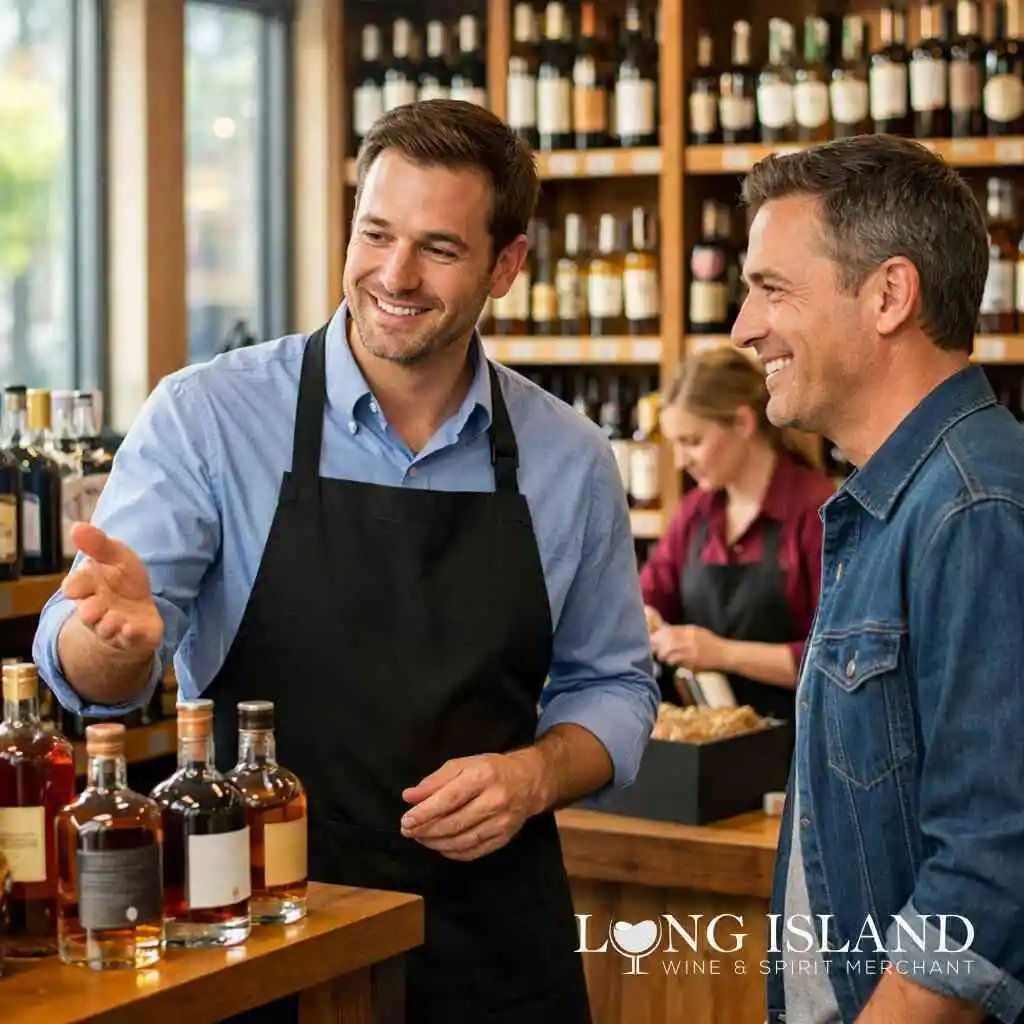
Creative retail services like custom cases of liquor, liquor bottle gift boxes, and liquor bottle engraving are immensely popular but sit at an interesting legal intersection. The primary concern is that these value-added services must not constitute “gift wrapping” of an alcoholic beverage in a way that obscures labels or violates branding rules. Furthermore, when curating custom liquor cases under NY law, each bottle inside must have been legally purchased and properly recorded in inventory. Our services for a custom case of wine for gifts in NY or wine bottle engraving service on Long Island are designed with these precise legal boundaries in mind, ensuring your thoughtful gift is also a fully compliant transaction.
Sales, Service, and Liability: The Human Element of the Law
While understanding statutes and codes is vital, the human element of alcohol sales presents the most dynamic compliance challenges. Liquor law ultimately governs human behavior-both of the seller and the consumer. This section delves into the protocols and liabilities surrounding the point of sale and service. It covers the mandatory training designed to prevent harm, the legal doctrines that assign responsibility for over-service, and the regulations that enable educational and experiential retail. For any team member handling liquor store products and spirits in New York, this knowledge is their first line of defense against personal and business liability.
Responsible Beverage Service and Alcohol Awareness Program Mandates
New York mandates that all personnel involved in the sale or delivery of alcohol complete an alcohol awareness program. These responsible beverage service trainings educate staff on checking IDs effectively, recognizing signs of intoxication, and refusing service legally and professionally. This server training is not a one-time formality; it is an ongoing commitment to community safety. Implementing a rigorous internal server training program reinforces these lessons and ensures every team member, from cashiers to delivery drivers, understands their critical role in underage drinking enforcement. This proactive approach is a cornerstone of operating a reputable fine wine selection at a Long Island store.
Dram Shop Law and Liability for Over-Service in New York
Dram shop law in New York establishes a powerful legal doctrine for liability for over-service. This law allows individuals injured by an intoxicated person to sue the establishment that sold the alcohol, if it can be proven the sale was made to a visibly intoxicated person or a minor. This underscores why the training discussed above is so critical. Liquor liability insurance is an essential safeguard, but it does not replace diligent practices. Every sale carries this potential responsibility, making vigilant observation and refusal of service the most important business practices for mitigating dram shop risk and protecting both the public and your enterprise.
Server Training and Underage Drinking Enforcement Protocols
Effective underage drinking enforcement begins with comprehensive server training. Staff must be expertly trained to scrutinize identification, recognize fraudulent IDs, and understand the legal penalties for alcohol sales to minors. A “card-all” policy, regardless of a customer’s apparent age, is the gold standard for eliminating bias and ensuring consistency. These protocols must be documented and enforced without exception. Furthermore, training should cover the proper procedure for handling a refused sale, de-escalating potential conflict, and documenting the incident. This rigorous approach to server training is a fundamental retailer obligation under NY law and a key metric during any SLA audit or New York alcohol enforcement action.
Tasting Event Regulations and Special Event Permits for Experiential Retail
Hosting in-store tastings is a fantastic way to engage customers and showcase new craft spirits or a fine wine selection. However, these tasting event regulations are tightly controlled. A retailer must obtain a specific tasting permit from the SLA, which outlines strict limits on serving sizes, frequency, and hours. Similarly, participating in off-site events requires a special event permit. These permits allow for experiential retail but within a clear legal box that prohibits charging for samples and requires all alcohol to be purchased through the retailer’s licensed inventory. Navigating these temporary liquor permits correctly allows a business to build community and brand loyalty while fully complying with New York State liquor laws.
The Future of Spirits Commerce: Legislative Horizons and Reform
The regulatory environment for alcohol is not static; it evolves with societal shifts, technological advancements, and economic pressures. For forward-thinking businesses, anticipating liquor law changes is as important as understanding current statutes. This final section explores the legislative trends and market forces shaping the horizon. We examine the lasting impact of temporary measures, the ongoing debates over modern commerce models, and the importance of trade advocacy. Building a future-proof business in this industry means embedding agility and a proactive compliance mindset into your very foundation, ensuring you can adapt to the next chapter of New York State liquor laws.
Analyzing Pandemic-Era Liquor Law Changes and To-Go Cocktails Legality
The pandemic period triggered unprecedented temporary changes to New York alcohol regulations, most notably the allowance for to-go cocktails and expanded service areas for restaurants. While some emergency measures have expired, they have sparked permanent legislative debates. The current legality of to-go cocktails for off-premises licensees like package stores remains a contested issue, with powerful lobbying on all sides. Analyzing these pandemic-era liquor law changes provides critical insight into how crisis-driven policy can become the catalyst for lasting liquor law reform proposals. Retailers must stay informed on these discussions, as their outcomes could redefine competitive boundaries and service offerings.
Direct-to-Consumer Shipping and Third-Party Delivery Platform Evolution
The growth of e-commerce continues to pressure traditional NY spirits distribution models. Direct-to-consumer shipping for spirits, more common for wine, is a major frontier for legislative updates. Similarly, the role of third-party delivery platform services is under constant regulatory scrutiny, focusing on age verification and proper licensing. For an online liquor store, these are not abstract issues but central to business strategy. The evolution of these channels will significantly impact how consumers access the best liquor online, making it essential for retailers to engage with trade associations that advocate for fair and clear rules in this digital marketplace.
Legislative Updates and Trade Associations Shaping the Alcohol Industry
Staying ahead requires a dedicated watch on legislative updates affecting the alcohol industry. Proposed bills can affect liquor tax rates, franchise law for spirits, exclusive territories, and contract brewing and distilling regulations. Engaging with trade associations for liquor retailers provides a collective voice in Albany and timely alerts on pending changes. These organizations analyze complex bills and advocate for the interests of local businesses against larger wholesale and manufacturing interests. Subscribing to a reliable New York State liquor law blog or legal bulletin is another prudent strategy for ensuring you are never caught unaware by a new compliance requirement that affects your liquor store.
Building a Future-Proof Business with Compliance as a Cornerstone
Ultimately, the most successful Long Island wine and spirit merchant will be the one that views compliance as a cornerstone of its business model, not an afterthought. This means investing in ongoing liquor law training certification for staff, implementing robust technology for record-keeping, and perhaps most importantly, cultivating a company culture of ethical and lawful service. A future-proof business is built on the trust of its customers and community, a trust that is earned through transparent and responsible operation. By making compliance integral to your identity, you secure your place in the market, ready to adapt to whatever legislative horizons may come, while consistently providing the high-quality spirits and exceptional service your patrons deserve.
Frequently Asked Questions
Question: As a Long Island resident, I’m interested in buying liquor online. What do I need to know about New York alcohol regulations for online purchases and liquor delivery laws NY?
Answer: At Liquor Store Open, your trusted Long Island Wine & Spirit Merchant based in Commack, we navigate the complexities of New York State liquor laws daily to ensure a seamless and legal experience for you. For online purchases, it’s crucial to understand that buying liquor online in New York requires the retailer to hold the proper retail liquor license and an off-premises delivery permit. We are fully licensed and compliant with all SLA regulations. Our liquor delivery service near Commack NY involves rigorous age verification at the point of delivery, as mandated by responsible beverage service laws. Whether you’re looking for gin, rum, vodka, whiskey, or fine wine, you can trust our online liquor store to handle your order with the utmost attention to New York alcohol regulations and your convenience.
Question: I read your blog post ‘Liquor Store Open Explains New York State Liquor Laws 2026’ and was curious about custom gifts. What are the laws regarding liquor bottle engraving and creating custom cases of liquor for gifts in NY?
Answer: We’re glad you found our guide helpful! Crafting personalized gifts like liquor bottle engraving and custom cases of liquor is one of our specialties, and we operate within full compliance of New York State liquor laws. The key legality for engraved bottle services and liquor bottle gift boxes is that the service must not obscure the product’s original labels or branding, which we carefully ensure. When curating custom liquor cases under NY law, every bottle is legally sourced through our licensed inventory and recorded properly, adhering to all liquor inventory control laws. This means your thoughtful gift of high-quality spirits or a custom case of wine for gifts in NY from our Long Island liquor store is not only beautiful but also a completely lawful transaction.
Question: Can you ship your craft spirits and fine wine selection to other states? What should I know about shipping alcohol interstate?
Answer: Yes, we can! Liquor Store Open proudly ships to all 50 states, but navigating shipping alcohol interstate is a complex area we’ve mastered. It requires compliance with the direct-to-consumer shipping laws of both New York and the destination state. Our operations are built on a meticulous framework that respects each state’s unique regulations concerning alcohol sales. This expertise allows us to safely and legally share our collection of craft spirits, domestic spirits, and international spirits with enthusiasts across the country. When you order the best liquor online from us, our team handles all the legal complexities, ensuring your high-quality spirits arrive compliantly no matter where you are.
Question: I’m planning a special event and want to include a tasting. What are the tasting event regulations in New York, and can you help?
Answer: Hosting a tasting is a fantastic idea for experiential retail, and New York’s tasting event regulations are specific. Retailers like us must obtain a special event permit from the State Liquor Authority, which dictates serving sizes, hours, and protocols. While we cannot provide alcohol for off-site tastings without the proper permit framework, we are experts in the laws and can guide you on the process. Furthermore, our blog and resources are excellent tools for understanding these and other New York alcohol regulations. For your event, consider our liquor bottle gift boxes or custom cases of liquor as a legally straightforward and elegant option that fully complies with liquor gift delivery laws.
Question: How does Liquor Store Open ensure compliance with laws like preventing alcohol sales to minors and dram shop liability?
Answer: Compliance is the cornerstone of our business. To prevent alcohol sales to minors, we enforce a strict card-all policy and provide comprehensive server training for all staff, aligned with New York’s alcohol awareness program mandates. Our team is trained in underage drinking enforcement and identifying signs of intoxication to mitigate dram shop law liability risks. We maintain impeccable record-keeping for liquor stores, which is vital for SLA audit preparation. This diligent approach to responsible beverage service and overall liquor store compliance is how we build trust. It ensures that when you shop with us for bourbon, scotch, vermouth, or baileys, you’re dealing with a merchant that prioritizes legality and safety as much as providing specialty drinks and cocktail ingredients.


