
Top 10 vermouth myths busted by Liquor Store Open today
February 7, 2026
Uncorking Vermouth Lore With Liquor Store Open
From fortified wine to a bar essential
Vermouth began as a medicinal tonic, yet modern bars treat the aromatized wine as indispensable as ice. It belongs to the fortified wine family, boosted with neutral spirit for stability, depth, and nuanced sweetness. Because botanicals add layers of flavor, vermouth bridges wine and spirit categories, earning respect among craft cocktail architects. The Liquor Store Open homepage positions vermouth beside gin, bourbon, and tequila as an equal bar essential. Understanding this evolution sets the stage for busting persistent vermouth myths later in our guide.
Historically, European merchants fortified fragile white wines to survive long journeys across mountains and sea lanes. Sailors discovered the herb-infused drink settled stomachs while delivering gentle warmth, spreading popularity from Liguria to London taverns. Modern producers keep that heritage alive, layering wormwood, citrus peels, and baking spices over high-quality spirits. The result outperforms any so-called cooking wine, offering complexity worthy of neat sipping or elevated mixology. When your bar counts on reliable aromatized wine, treat vermouth with the same respect you grant small-batch whiskey.
Why myths cloud the glass
Misinformation travels fast through crowded bars and home kitchens, creating sticky narratives about shelf life and flavor. One bartender says vermouth is merely red wine with sugar; another claims it never spoils, both untrue. Repeating half-truths becomes easier than checking producer notes or reading current facts about fortified wine. Social media accelerates the problem by amplifying oversimplified sweet-versus-dry distinctions without context. Our upcoming sections untangle those threads, providing aromatized wine education rooted in experience rather than hearsay.
Liquor Store Open consults tasting panels, winemakers, and mixology instructors before speaking definitively about spirits myth debunking. That commitment aligns with the values outlined in the Long Island Wine & Spirit Merchant team story. Transparency builds trust, which is crucial when shoppers order alcohol online from states far beyond Long Island. Readers deserve nuanced explanations, not recycled clichés, whether they sip boutique vermouth or stock well liquor. The myth-busting journey, therefore, starts with accurate definitions and evidence from respected producers and laboratory analyses.
Commack expertise meets global sipping circles
Commack may appear as a quiet suburb, yet its beverage knowledge rivals metropolitan tasting rooms worldwide. Our store curates domestic spirits, imported amari, and craft vermouth that Long Island enthusiasts previously had to travel hours to find. Local bartenders often preview new labels through exclusive staff tastings before they reach glossy magazine spreads. Through this network, we share first-hand insights into vermouth flavor profiles, storage practices, and cocktail applications. Such guidance empowers drink enthusiasts nationwide who rely on our articles when selecting specialty drink ingredients.
Through online tastings, Commack experts swap notes with Tokyo sommeliers and Barcelona vermut bars, expanding collective palate memory. That cross-continental dialogue informs inventory, ensuring our shelves reflect the diversity of international spirits rather than outdated stereotypes. Readers hungry for advanced mixology tips can explore fast alcohol delivery near Long Island to put the tips into practice immediately. Meanwhile, shipping to every state invites wider audiences into the conversation, spreading accurate vermouth storage tips countrywide. By merging local mastery with international feedback, Liquor Store Open builds unparalleled authority in fortified wine facts.
1) Vermouth Is Just Cheap Cooking Wine
Deconstructing culinary confusion
Home cooks often grab an open vermouth bottle when a recipe calls for “white cooking wine.” They then assume aromatized wine equals bargain grocery jug. That misunderstanding fuels persistent vermouth myths and cheapens an ancient craft. Liquor Store Open debunks that narrative daily from our Commack shelves. Shoppers exploring how to buy premium vermouth online notice price tiers, vintage markers, and rich botanical notes absent from ordinary cooking wine.
Cooking wine carries added salt and stabilizers because producers expect heat to mask flaws. Authentic vermouth begins with quality base wine fortified gently, then steeped with wormwood, citrus peel, and fragrant roots. That process builds complexity worth sipping neat, making it unsuitable for the bargain condiment aisle. Our liquor stores open inventory ranges from delicate blanc styles to brooding amaro-leaning reds, none disposable. Respecting those tiers elevates everyday dinners and delivers fortified wine facts worth sharing with curious friends.
High-quality spirits and aromatized wine facts
Great vermouth starts where great wine starts-thoughtful vineyard practices and clean fermentation. Producers then arrest fermentation with grape spirit, preserving sugar while boosting shelf stability. Botanical maceration layers wormwood bitterness, floral chamomile, and warm baking spices into the fortified matrix. Because regulations permit creativity, profiles range from bone-dry alpine to lush vanilla-kissed rosso. Our team continuously tastes through these styles to shop fine spirits and fortified wines that merit national delivery.
Alcohol percentage alone does not dictate quality, yet balanced ABV protects delicate aromas from oxidation. Laboratory analysis shows many vermouths sit around fifteen percent, far lower than whiskey yet higher than table wine. That middle ground explains why mixologists prize the category for low-ABV cocktail trend menus. Luxury spirits status arrives through meticulous sourcing, small-batch maceration, and mindful sugar adjustments, not inflated proof. When drink enthusiasts seek specialty drinks versatility, aromatized wine education trumps outdated potency assumptions.
Pairing ideas beyond the sauté pan
Elevated vermouth brightens crisp salads, creamy cheeses, and charcuterie without overpowering delicate textures. Dry styles mimic fino sherry, letting briny olives and roasted almonds sing. Rosso versions deliver caramelized orange notes that flatter grilled pork or mushroom risotto. Need inspiration tonight? Browse our craft cocktail recipes featuring vermouth for pairings that transition effortlessly from table to shaker. Each recipe lists complementary snacks, reinforcing aromatized wine’s rightful place at dinner, not just behind bar doors.
For dessert, bianco vermouth’s honeyed herbs marry beautifully with lemon tarts, panna cotta, or flaky baklava. Guests appreciate lighter alcohol after rich courses, and the drink’s herbal snap refreshes palates. Consider presenting bottles in elegant vermouth gift box ideas during holidays; ribbon-wrapped aromatized wine feels instantly upscale. Our open liquor store assembles custom under-fifty pairings, perfect for host gifts or corporate thank-you baskets. Such thoughtful combinations prove vermouth belongs at celebratory gatherings, not hidden among dusty pantry staples.
2) Sweet Versus Dry Is the Only Flavor Axis
Exploring craft vermouth flavor profiles
Vermouth drinkers often split labels into sweet and dry camps, yet flavor maps stretch far wider. Alpine blanc expressions burst with pine resin, white flowers, and crisp stone fruit, blurring typical sugar dialogues. Rosso bottlings from Commack-stocked artisans unveil mocha, fig, and burnt orange alongside controlled bitterness. Even extra-dry bottlings might hide faint jasmine or celery seed, demonstrating how residual sugar alone fails to predict taste. Liquor Store Open curates style flights so customers taste these gradients side by side and refine aromatized wine education instantly.
Regional terroir pushes the envelope further. Spanish rojo vermouth leans into nutmeg, saffron, and cola, while Australian blanc exudes eucalyptus and lime zest. Domestic craft vermouth Long Island projects salinity from Atlantic breezes, offering bracing aperitif possibilities beyond European benchmarks. This diversity means shoppers should read producer notes rather than rely solely on color or sweetness labels. Seasoned bartenders now list detailed vermouth tasting notes next to gin or bourbon, highlighting nuanced complexity.
Botanicals that transcend sweetness
Behind every bottle stands a proprietary maceration recipe weaving dozens of botanicals into the fortified base wine. Wormwood supplies the required bitterness, yet lavender, gentian, and wild thyme dictate the aromatic lift and the lingering finish. Cinnamon chips can sweeten perception without adding actual sugar, while angelica root introduces savory depth that confuses the classic sweet-versus-dry debate. Understanding these plant choices clarifies why two “dry” vermouths deliver opposite impressions on the palate.
Producers roast, steam, or cold-soak roots at different stages, coaxing layered textures unattached to residual sugar levels. Citrus peels brighten otherwise heavy rosso formulas, whereas cacao husk darkens pale expressions with chocolate whispers. The vermouth style guide by Liquor Store Open explores how extraction time and alcohol percentage shape these botanical dialogues. Such transparent breakdowns empower drink enthusiasts to shop confidently, matching personal preference rather than clinging to outdated binary categories.
Mixology secrets for nuanced cocktails
Modern bartenders treat vermouth like kitchen spice racks, blending bottles to dial specific sensory effects. A splash of medium-sweet blanc can tame a bracing alpine dry, creating custom Martini harmony unattainable with one label alone. Conversely, adding tiny amounts of robust rosso to a citrusy aperitivo spritz introduces warming baking spice without upping proof dramatically. These moves exploit botanical breadth, not simple sugar grids.
Liquor Store Open hosts virtual tastings that teach “tri-vermouth layering,” where participants combine three distinct styles to build Manhattan depth or Negroni intrigue. Attendees quickly realize balance stems from acid, tannin, and herb composition, making sweetness merely one variable. Home mixologists can replicate the technique by stocking small 375-milliliter bottles, available through our nationwide shipping program, and experimenting with eyedropper measurements. Mastering these secrets turns any kitchen into a professional bar while keeping cocktails refreshingly low-ABV and crowd-friendly.
3) Vermouth Never Expires
Shelf life truths and storage tips
Many drink enthusiasts still repeat the claim that aromatized wine outlasts time itself. That saying ignores science and risks pouring flat, bitter liquid. Once opened, vermouth comes into contact with oxygen, and oxidation slowly erodes delicate botanicals. Fortification slows the decline, yet it never completely halts chemical change. Therefore, bartenders treat vermouth like wine first and spirit second. Keep bottles upright to reduce cork contact and prevent unwanted seep. Dark cupboards help, but chilled storage proves safer for long-term freshness. Modern refrigerators provide the low temperatures that mute spoilage bacteria and volatile aroma loss. Following these simple steps busts the endless shelf life narrative while protecting your bar essentials.
Refrigeration also tackles the widespread vermouth refrigeration myth by showing measurable results. Flavor compounds remain vivid after thirty days when stored at forty degrees, whereas room-temperature samples fade within two weeks. Tight seals matter too, so consider inert gas sprays or small vacuum pumps after each use. Sugar level influences stability, meaning extra-dry styles actually deteriorate faster than rosso cousins. Because bottles vary, Liquor Store Open suggests marking the open date on the back label. That quick note turns subjective memory into objective shelf life truths, ensuring every cocktail benefits from peak aromatics.
Does vermouth expire? Reality check?
Spoilage rarely appears as mold, so visual cues mislead casual sippers. Instead, stale vermouth tastes dull, with muted herbs and rising sherry-like nuttiness. Bitterness spikes when oxidized wormwood overtakes balanced sweetness, resulting in harsh finishes. Laboratory panels reveal peroxide values rising after 6 weeks at room temperature, confirming chemical degradation. Smelling the liquid before mixing becomes a professional habit, not paranoia.
Sensory decline follows a predictable curve, giving you guidelines rather than panic alarms. Expect optimal flavor for about one month when chilled and properly capped. After that window, cocktails still work, yet nuance evaporates quickly. Specialist bars sometimes finish bottles within days, but home drinkers can stretch quality by purchasing smaller formats. These realism checks replace marketing promises with fortified wine facts you can taste.
Ordering fresh bottles online
Replacing tired vermouth beats forcing it into your Martini. Liquor Store Open’s broad inventory lets customers choose half-size, single-estate, or craft expressions easily. Because our Commack shelves turn over quickly, stock arrives at your door in peak condition. You may also bundle several styles to compare freshness timelines and expand aromatized wine education.
Nationwide shoppers streamline restocking when they order alcohol online nationwide through our partners. Fast fulfillment means you never rely on questionable corner-store bottles languishing under fluorescent lights. Add insulated shipping options for warm regions, and you secure bar-ready vermouth year-round. Shrewd hosts even enroll in subscription plans, receiving rotating labels just before busy party seasons. Fresh supply eliminates uncertainty, enabling flawless Negroni nights without storage anxiety.
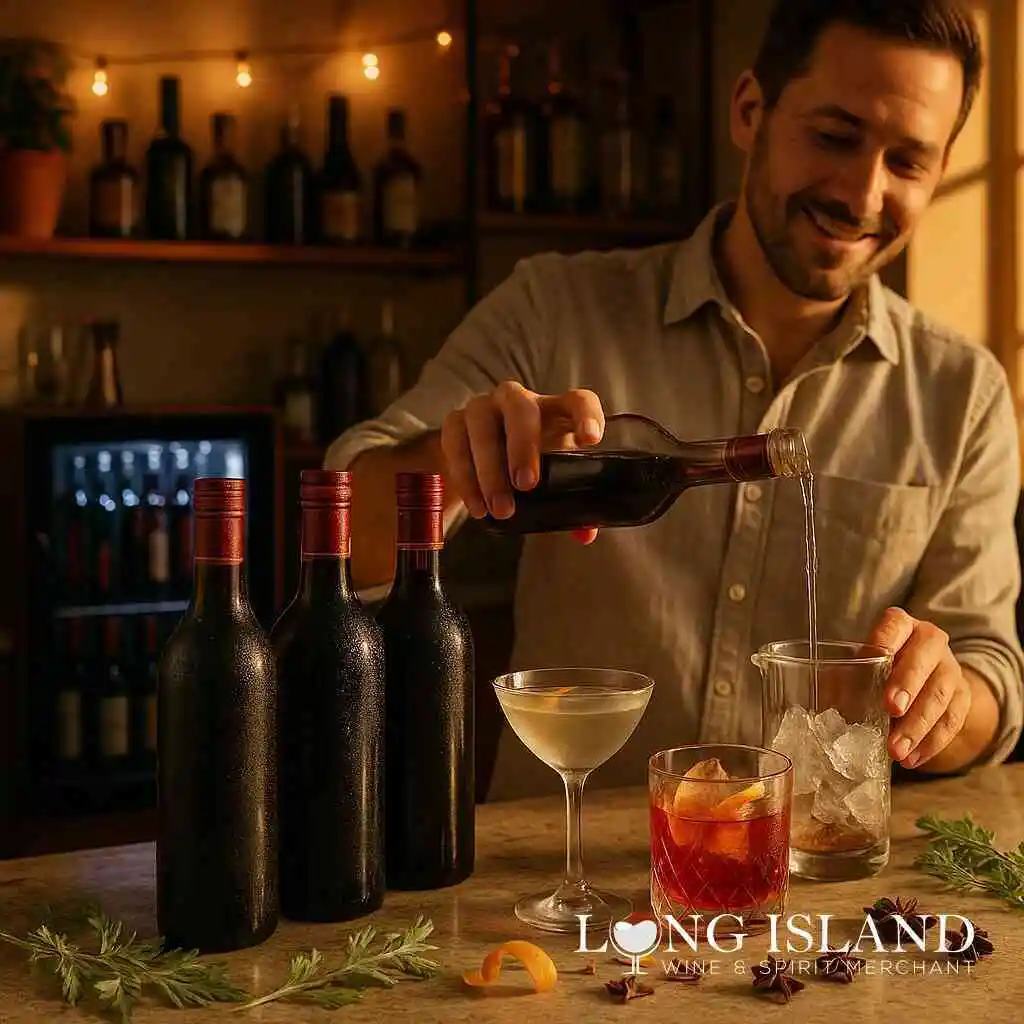
4) Room Temperature Storage Works Fine
Refrigeration myth busted
Many drink enthusiasts still store vermouth beside olive oil on a warm shelf. They believe fortification alone grants infinite protection. That idea ranks high among enduring vermouth myths because it ignores the fragility of botanicals. Temperature accelerates the loss of volatile compounds, turning vibrant citrus into dull cardboard in days. The fridge instantly slows that decline, safeguarding balance and finesse.
Professional tasting panels conducted blind tastings of identical bottles kept at different temperatures. Chilled vermouth retained fresh herbs after a month, while the room-temperature sample tasted flat after two weeks. Such data finally shatters the stubborn vermouth refrigeration myth that circles home bars. Shoppers who need gear can explore our full-service liquor solutions in Commack for compact fridges and quality stoppers. Adopting cold storage becomes a small investment that preserves every elegant pour.
Oxidation science simplified
Oxygen slips through every opened bottle, even with a tight cap. When it meets fortified wine, oxidative reactions alter color, aroma, and texture. Wormwood bitterness spikes, and subtle florals vanish as aldehydes form. The process is irreversible, yet its rate varies with surface area and temperature. Refrigeration reduces kinetic energy, dramatically slowing those reactions.
Home bartenders can visualize oxidation like an invisible flame quietly spreading. Each time you shake a Martini, air churns through the bottle neck. Minimizing headspace with smaller formats keeps that flame tiny. Vacuum pumps remove residual air, further delaying spoilage. Understanding these fundamentals transforms casual sipping into informed aromatized wine education.
Bar essentials for long-lasting aromatized wine
Every serious bar-domestic or professional-relies on three tools: refrigeration, light-blocking storage, and precision dating. A dedicated wine fridge maintains steady temperatures without the risk of freezer burn. Dark glass or cabinet placement prevents ultraviolet rays from bleaching delicate botanicals. Finally, a simple pen marks the open date, making disposal decisions objective.
Rotating inventory also matters. Buy half-size bottles when mixology output is low, and finish them within a month. Keep an inert gas spray near the shaker for nights with minimal service volume. These practical vermouth storage tips ensure every Manhattan or spritz tastes as the producer intended. By treating vermouth like the fine wine it is, you elevate bar essentials and maximize every dollar spent.
5) Only Italian and French Labels Matter
Discovering domestic and international spirits diversity
Many drink enthusiasts assume only Torino or Chambéry bottles deserve a place on the bar, yet that belief ignores booming global creativity. From Melbourne to Mexico City, modern producers steep local botanicals in fortified wine, creating specialty drinks that rival Old-World benchmarks. Liquor Store Open proudly curates this worldwide tapestry, proving that high-quality spirits thrive outside traditional European borders. Our customers regularly discover Spanish rojo expressions bursting with saffron, alongside German trocken styles showcasing forest herbs, all in a single shipment. Such variety dismantles the myth that Italian and French labels hold exclusive authority over vermouth.
Domestic spirits innovation further enriches the category. West Coast winemakers experiment with Riesling bases, while Appalachian distillers add foraged ginseng for earthy depth. These regional twists broaden vermouth flavor profiles beyond classic wormwood and clove. Because we ship in all 50 states, shoppers can explore these fresh voices without leaving home. By tasting across continents, drink enthusiasts recognize that terroir speaks as loudly in fortified wine as in premium Pinot Noir.
Long Island craft vermouth spotlight
Long Island’s maritime climate nurtures vibrant white grapes, which local artisans now transform into award-winning craft vermouth. Small wineries near the Peconic Bay macerate beach rose petals, bay leaves, and Atlantic salt spray, producing bottles uniquely linked to our shoreline. Commack bartenders embrace these blends, using them to craft low-ABV cocktails that pair seamlessly with local oysters. The result elevates regional dining, turning what many deemed a simple mixer into a celebrated centerpiece. When visitors tour tasting rooms, they quickly realize craft vermouth Long Island offers complexity equal to any European counterpart.
Liquor Store Open champions these hometown heroes by stocking seasonal releases as soon as they leave the cellar. Because batches remain tiny, they rarely make it outside New York without our nationwide platform. Subscribers who include a Long Island vermouth in custom cases often report newfound appreciation for botanical nuance. Their tasting notes highlight briny minerality and fresh citrus zest, qualities seldom found in mass-market imports. Supporting local producers also keeps supply chains transparent, boosting consumer trust through genuine farm-to-glass narratives.
High-quality brands available for delivery
Our open liquor store lists more than fifty vermouth labels, spanning luxury spirits from revered European houses to groundbreaking American upstarts. Each product page details grape varieties, botanical bills, and recommended cocktail ratios, empowering shoppers to make informed choices. If you need guidance, check our linked resource for mixology mastery near Commack insights that pairs specific vermouths with gin, whiskey, or tequila bases. This expert advice removes guesswork, ensuring every bottle enhances your bar essentials rather than collecting dust.
Speedy liquor delivery remains crucial for maintaining peak freshness, especially with aromatized wines. Liquor Store Open packs bottles upright in temperature-controlled liners and offers insured shipping across all climates. Customers can also build custom vermouth cases, combining half-size rosso, blanc, and dry styles to fit usage patterns. These tailored solutions reduce waste, save money, and guarantee vibrant botanical flavor in every pour. Ultimately, our commitment to diverse, high-quality vermouth refutes the outdated idea that only two countries set the standard.
6) Vermouth Is Too Weak for Real Cocktails
Low ABV trend meets flavor depth
Vermouth critics claim its lower proof dilutes cocktails. Current bartenders see that moderate strength as an asset. The rising low-ABV movement values sessionable drinks that keep conversation flowing. Liquor Store Open champions this shift through its curated guide to winter low-ABV cocktail essentials. That resource proves vermouth delivers botanical complexity without overwhelming alcohol heat. Each featured recipe balances freshness, aromatics, and responsible enjoyment. Savvy hosts now reach for rosso or blanc vermouth when designing seasonal menus.
Fortified wine averages fifteen percent alcohol, sitting comfortably between table wine and hard spirits. That midpoint lets producers showcase nuanced herbs, roots, and peels with clarity. Because vermouth remains wine-based, acidity refreshes the palate instead of numbing it. Consumers seeking fine spirits flavor without a harsh punch quickly adopt the category. This trend mirrors culinary demands for lighter, brighter fare over heavy sauces. By highlighting these parallels, our open liquor store reframes vermouth as a modern bar essential.
Building balanced Negroni and Manhattan variations
Traditional Negroni ratios demand equal parts gin, Campari, and sweet vermouth. When bartenders fear weak flavor, they mistakenly up the gin and bitter liqueur. Doing so flattens herbal nuance and spikes alcohol content. Instead, choose a richer rosso vermouth with cocoa notes to reinforce depth. The drink’s texture thickens, achieving perceived strength without extra ethanol. Stir over large ice and garnish with an expressed orange twist for layered aroma.
Manhattan fans often blame vermouth for watery texture. The culprit is usually stale, oxidized product rather than proof. Shake that myth by using freshly opened high-quality spirits from our Commack shelves. Substitute fifty percent of the whiskey with robust amontillado-style vermouth for a captivating low-ABV riff. Bitters still shine, yet alcohol stays manageable during extended gatherings. Serve in a chilled Nick and Nora glass to preserve fragrance and maintain ideal balance.
Professional mixology power moves
Career bartenders calculate perceived strength through sugar, acid, and bitterness rather than pure proof. Vermouth supplies all three levers, making it a precision tool behind the stick. Dropping half an ounce of extra-dry vermouth into a rum Daiquiri tightens structure without drastically raising ABV. Adding blanc vermouth to a bourbon old-fashioned builds honeyed florals while diluting aggressive tannins. These micro-adjustments demonstrate that flavor authority is independent of raw alcohol content. Liquor Store Open trains staff to explain these techniques during virtual tastings, bolstering customer confidence.
Integrating vermouth also controls beverage costs because fortified wine stretches pricier base spirits. Restaurants embracing this strategy report increased margins and happier guests who appreciate moderate servings. Home mixologists benefit similarly by extending a single bottle of top-shelf whiskey across many cocktails. Our team suggests stocking multiple 375-milliliter vermouth formats to encourage experimentation without waste. Visit our open liquor store in Commack or order nationwide to access an array tailored for every creative plan.
7) Any Vermouth Works in a Martini
The best vermouth for martini lovers is defined
Many drink enthusiasts still repeat the vermouth myth that any bottle will do when preparing a Martini. Flavor, freshness, and sugar balance shift dramatically between styles, so choosing matters carefully. Seasoned bartenders first decide whether the drinker prefers bone-dry minerality or subtle floral lift. From there, they match a crisp extra-dry vermouth or a delicate blanc that enhances citrus oils without masking high-quality spirits. This intentional pairing prevents either ingredient from dominating and lets nuanced botanicals shine through chilled glassware.
Liquor Store Open stocks bottles ranging from Alpine extra-dry to Mediterranean bianco, empowering shoppers to align flavor goals with budget. Guests unsure where to start can discover your palate with the Wine Taste Quiz and receive tailored vermouth suggestions before checkout. The interactive quiz filters gin preference, olive versus twist garnish, and desired texture to pinpoint the best vermouth for martini lovers quickly. That personal approach eliminates guesswork, boosting confidence for home bartenders and cocktail program directors alike. Selecting the right aromatized wine transforms the Martini from common order to a signature expression.
Vermouth tasting notes that steer the shaker
Reading producer notes unlocks a world of subtle flavors that shape each Martini’s character. Extra-dry vermouth often shows celery seed, alpine herbs, and crisp acidity that lifts citrus garnishes. Blanc expressions layer white peach, elderflower, and faint vanilla, lending softer texture to vodka bases. Rosso vermouth might seem unusual, yet its baked spice can modernize dirty Martinis with briny olives. Choosing intentionally means the shaker becomes a canvas rather than a guessing game.
Always taste vermouth neat before mixing; subtle differences emerge only through direct sampling. Note finishing bitterness, perceived sweetness, and lingering aromatics, then imagine how chilled gin will amplify or mute them. Swap labels seasonally so winter Martinis gain warming spice while summer pours highlight refreshing botanicals. Tracking these shifts builds real-world aromatized wine education and dissolves category complacency. Over time, you will recognize which vermouth tasting notes dominate after dilution and ice melt, refining every ratio.
Luxury spirits and precise ratios
Even the best vermouth falters if proportions feel off, so measuring remains essential. Classic ratios hover around five parts gin to one part dry vermouth, yet modern palates crave more botanical interplay. High-end craft spirits with dense juniper require slightly sweeter blanc vermouth at a four-to-one split to maintain harmony. Conversely, lean vodka Martini builds benefit from a gentle two-to-one mixture, allowing aromatized wine to showcase complexity.
Stirring with large ice cubes chills quickly and limits dilution, preserving luxury spirits vibrancy. Always fine-strain into a frozen coupe to keep texture silky and aromatics focused. Garnish choice also influences perceived balance; a lemon twist accentuates citrus peel maceration, while an olive highlights saline notes. By honoring precise ratios and garnish strategies, you prove that a thoughtful Martini transcends simple alcohol content. Liquor Store Open provides bar-ready jiggers, specialty drink ingredients, and detailed recipe cards, ensuring every pour reaches professional standards.
8) Vermouth Is Automatically Vegetarian
Clarifying fining agents and ingredients
Many drink enthusiasts repeat the claim that all vermouth is plant-based, yet this assumption ranks among persistent vermouth myths busted by industry pros. Winemakers sometimes clarify base wine with gelatin, casein, or isinglass, all animal-derived fining agents that strip haze before fortification. Those additives rarely survive in measurable amounts, but strict vegetarians still prefer transparency. Further complicating matters, centuries-old recipes may tint rosso vermouth with cochineal insects instead of beet juice, adding another non-vegetarian wrinkle. Understanding these production nuances elevates aromatized wine education and reinforces why spirits myth debunking matters.
Producers are not obligated to list every processing aid on the front label, which lets misunderstandings flourish. Fortified wine regulations vary worldwide, so European bottles may follow different disclosure standards than American counterparts. Liquor Store Open maintains direct relationships with brands to confirm whether animal products appear anywhere in the supply chain. We ask pointed questions about filtration mediums, colorants, and glycerin sources, guaranteeing customers receive honest guidance. That diligence supports our reputation for high-quality spirits and trustworthy recommendations.
Reading labels for mindful sipping
Ingredient panels on vermouth bottles grow more detailed each year, yet jargon can confuse casual shoppers. Look for terms such as “unfined,” “vegan certified,” or “plant-based colorants” when scanning packages at our open liquor store. These phrases signal producers avoided animal clarifiers and insect dyes, aligning with ethical preferences. If labels remain vague, consult the producer’s website or call their tasting room; reputable houses are happy to clarify their methods to earn consumer trust. This proactive habit replaces guesswork with informed choice, matching the growing demand for transparent specialty drink ingredients.
Beyond fining, examine sweetening agents and botanical extracts. Some caramel colorings contain lactose carriers, while glycerol can be derived from animal fat instead of soy. Label literacy, therefore, extends past the obvious gelatin conversation. Liquor Store Open staff receive ongoing training on regulatory language, ensuring our advice stays current and accurate. When customers ask about vegetarian or allergen concerns, we provide precise answers rather than broad assurances, reinforcing our authority in fine wine and good spirits retail.
Organic and kosher vermouth options at our liquor store
Modern producers meet ethical demands with certified organic, biodynamic, and kosher expressions, many of which are carried on our Commack shelves. Shoppers can even build custom vermouth cases that mix vegan-friendly blanc bottles with kosher-sealed rosso styles, tailoring orders to diverse diets. Each selection ships nationwide in temperature-controlled packaging, preserving delicate botanicals while honoring personal values. Choosing mindful bottles no longer limits flavor exploration; today’s conscientious drinker enjoys full access to global styles without compromise.
Our merchandising team tags qualifying bottles online, making them easy to spot alongside classic labels. Pair an organic extra-dry vermouth with farmstead goat cheese, or serve kosher bianco alongside citrusy seafood appetizers-either choice highlights pure flavors unmarred by synthetic additives. Gift buyers appreciate vegetarian options when sending liquor bottle gift boxes to plant-forward friends, while party planners rely on our curated lists to respect every guest’s dietary needs. By offering these inclusive choices, Liquor Store Open further dispels outdated vermouth myths and proves responsible sourcing can coexist with exceptional taste.

9) Craft Vermouth Is Impossible to Find on Long Island
Commack liquor store vermouth selection insights
Craft vermouth Long Island fans often assume boutique bottles reside only in Manhattan speakeasies, yet that belief crumbles inside our Commack aisles. Liquor Store Open dedicates an entire shelf to small-batch, herb-forward aperitifs sourced from Peconic Bay wineries and celebrated alpine houses alike. The sprawling Long Island liquor store directory even lists us as the premier destination for aromatized wine, proving supply thrives closer than many think. Staff members taste every incoming barrel-aged blanc, documenting wormwood intensity, citrus lift, and residual sugar before accepting inventory. This vetting guarantees shoppers encounter vibrant, limited-release labels rather than mass-market stand-ins.
Because Commack blends suburban charm with cosmopolitan demand, turnover stays brisk, ensuring bottles remain fresh for Martini night. Rotating flights allow guests to sample rosso, extra-dry, and bianco expressions side by side, sharpening palate memory with each visit. Interactive shelf talkers display botanical bills, encouraging customers to compare gentian bitterness against chamomile softness without intimidation. Our open liquor store also hosts pop-up tastings featuring Long Island vintners who explain fortification methods in plain language. As a result, the myth that craft vermouth skips our region dissolves within one flavorful afternoon.
Order vermouth delivery nationwide
Travel constraints no longer separate discerning drink enthusiasts from Long Island’s artisan vermouth cache. Liquor Store Open ships in all fifty states, using temperature-controlled liners that cradle glass through changing climates. Every order includes a freshness card noting the bottling date, so buyers confirm quality upon arrival. Our fulfillment team completes compliance paperwork swiftly, meaning rural mixologists receive the same specialty drinks urban bars cherish. Transparent tracking links update at each scan, giving peace of mind until the package lands on your doorstep.
Customers who prefer curbside pickup can swing by our brick-and-mortar location nestled in the North Shore retail hub; full Northgate Shopping Center spirits shop details guide first-time visitors straight to our door. There, you’ll find chilled vermouth ready for same-day parties, plus expert staff eager to suggest food pairings. Whether bottles fly cross-country or ride home beside tonight’s dinner ingredients, access remains effortless. Consistent availability dismantles the outdated assumption that boutique vermouth hides behind distribution red tape.
Custom cases and gift boxes for enthusiasts
Savvy hosts often stock multiple vermouth styles, tailoring each cocktail to seasonal menus or guest preferences. Liquor Store Open simplifies that strategy through build-your-own cases, letting shoppers mix rosso, blanc, and dry options in protective 375-milliliter formats. Our packaging team nests every bottle inside reusable dividers, minimizing waste while maximizing shelf organization. During holidays, themed inserts-think citrus-scented tissue or metallic ribbon-transform functional cases into striking bar-cart centerpieces. Recipients immediately grasp that fortified wine can be as thoughtful a gift as vintage bourbon.
Shoppers craving extra elegance may add engraved stirrers or upgrade to a cedar-lined liquor bottle gift boxes option complete with wax-sealed tasting notes. Custom messages etched onto the lid commemorate weddings, promotions, or milestone anniversaries without overshadowing the spirit inside. Pair the gift with our Wine Taste Quiz results for a truly personalized experience that sparks conversation long after the last pour. By merging creativity with convenience, Liquor Store Open further erodes the myth that craft vermouth remains elusive or ordinary on Long Island.
10) Fortified Wine Means High Alcohol Only
Understanding fortification and balance
Many drink enthusiasts still confuse fortification with a quest for potent punches, yet winemakers actually chase stability and nuance. During production, producers stop fermentation by adding neutral grape spirit, which preserves residual sugar and safeguards fragile aromas. That measured boost raises alcohol just enough to resist spoilage while letting wormwood, citrus peel, and rare roots shine. Because the spirit addition rarely exceeds five percent of total volume, the resulting vermouth remains lighter than most table reds. This process illustrates fortified wine facts that demolish blanket strength assumptions.
Fortification also allows consistent flavor across vintages, an overlooked benefit that matters to bartenders who crave repeatable recipes. By locking sugar and acid at a desired point, producers deliver balanced aromatized wine regardless of harvest quirks. Think of fortification as a frame around art rather than extra paint on the canvas. Balance, not brawn, therefore defines modern high-quality spirits such as boutique blanc or alpine extra-dry vermouth. Understanding this technique corrects one of the most stubborn vermouth myths circulating in home bars.
Finally, fortification creates a versatile canvas for mixology because moderate proof lets botanicals stay front and center. Lower alcohol dissolves delicate essential oils quickly, releasing layered scents when stirred or spritzed. That fragrance would vanish behind heat if proof climbed toward whiskey levels. Consequently, professional mixologists turn to fortified wine when they need expressive, food-friendly cocktails that guests can sip all afternoon. The method proves that thoughtful chemistry, not brute force, elevates specialty drink ingredients.
Exploring vermouth ABV spectrum
Vermouth ranges from about thirteen to eighteen percent alcohol, a fact many casual sippers overlook while repeating outdated talking points. Extra-dry French styles often sit under fifteen percent, delivering razor-sharp acidity perfect for bone-dry Martinis. Rosso expressions edge higher, yet they rarely exceed eighteen percent, keeping warmth gentle even when spices run deep. Bianco variants occupy the middle ground, illustrating how sweetness perception and proof do not always correlate. Such diversity shatters the one-note image of fortified wine.
Producers fine-tune proof based on botanical load, grape variety, and target drinking occasion. A zesty citrus maceration benefits from leaner alcohol, whereas cocoa-rich blends need extra spirit to dissolve heavier oils. By treating alcohol as a flavor solvent rather than a finish line, vermouth makers craft layered profiles suited to both aperitif hour and late-night pours. Shoppers browsing our online liquor store see these numbers clearly listed, ensuring informed purchasing decisions that respect personal preference.
Understanding this ABV spectrum also clarifies low-ABV cocktail trend appeal. A classic Negroni, for instance, clocks lower proof when built with fifteen-percent vermouth versus higher-proof amaro substitutes. The calculation matters to hosts balancing responsible service with festive drinks. For more context, readers can understand modern liquor definitions that sort spirits by strength and composition, reinforcing why vermouth occupies its own refreshing niche.
Pairing low ABV drinks with food
Lower alcohol vermouth cocktails shine alongside food because they refresh rather than dominate, supporting the meal’s storyline from appetizer to dessert. A chilled bianco spritz lifts briny oysters, its herbal snap echoing sea spray without masking delicate salinity. Meanwhile, a rosso highball with soda water and orange slice complements charcuterie boards, letting fennel salami and aged gouda sparkle through gentle bitterness. Balanced proof keeps palates receptive, inviting another bite and another sip.
Dinner parties benefit when hosts replace heavier pours with vermouth-forward creations that maintain conversation clarity. Guests savor nuanced flavors while staying present, a hallmark of modern hospitality. Try stirring an extra-dry Martini before a citrus-herb roast chicken; the drink’s lean structure mirrors lemon zest seasoning while gently cleansing fat. Because vermouth cocktails finish with subtle sweetness, they also pair well with light desserts like panna cotta or fruit tarts.
Finally, low-ABV vermouth service helps showcase regional cuisine by echoing local botanicals. Long Island craft vermouth laced with beach rose pairs beautifully with steamed clams harvested nearby, proving terroir synergy extends beyond wine bottles. When you browse our open liquor store for bar essentials, consider choosing labels that mirror the herbs in your dishes. Doing so transforms simple gatherings into elevated culinary narratives, all while debunking the myth that fortified automatically equals fiery.
Stirring Truth Into Every Pour
Key takeaways for drink enthusiasts
Vermouth knowledge feels clearer once persistent myths vanish. You now know it deserves refrigeration and timely enjoyment. You recognize sweetness labels barely hint at complex botanical stories. You understand global producers, including Long Island artisans, deliver outstanding bottles. Most importantly, you respect vermouth as a versatile, low-ABV cornerstone of modern mixology.
Apply these insights during your next Martini or Negroni session. Taste each vermouth neat before stirring to appreciate freshness. Mark opening dates and refrigerate immediately to protect vibrant herbs. Compare domestic, Italian, and Spanish styles to refine palate memory. Share discoveries with friends, becoming the go-to vermouth advisor within your circle.
Next steps take the Wine Taste Quiz
Curious which bottle matches tonight’s menu? Liquor Store Open created an interactive Wine Taste Quiz for that purpose. The quiz analyzes flavor preferences, cocktail habits, and budget comfort. Within minutes, you receive personalized vermouth and spirit recommendations. Think of it as having our Commack tasting room inside your phone.
Take the quiz before your next order to reduce guesswork. New customers often discover overlooked blanc styles through its algorithm. Returning patrons revisit seasonally, because cravings shift with weather and dishes. Results integrate with our custom case builder, streamlining checkout. Accurate matches save money, reduce waste, and elevate every cocktail moment.
Shop liquor store open for bar essentials
Stocking vermouth is easy when your open liquor store ships coast to coast. Our Commack warehouse packs bottles securely, then dispatches them quickly. Clients from Portland to Miami trust our insulated liners during warmer months. Travelers wishing to explore Long Island drinks culture again often rely on our extensive catalog. Same-day pickup remains available for local shoppers needing party supplies now.
Beyond vermouth, you will find gin, tequila, and craft amaro ready for delivery. Upgrade presents using liquor bottle gift boxes or engraving services for memorable gestures. Custom cases let you blend multiple bottle sizes, minimizing oxidation while maximizing variety. Sign up for newsletter alerts to capture upcoming liquor promotions and seasonal discounts. Whatever your bar requires, Liquor Store Open is ready with high-quality spirits and friendly service.
Frequently Asked Questions
Question: How does Liquor Store Open guarantee that the vermouth I buy online arrives fresh, given the vermouth shelf life truths and refrigeration myth busted in your article?
Answer: Our Commack warehouse stores every aromatized wine in a temperature-controlled cooler from the moment it lands on the dock. Bottles are shipped upright in insulated liners with ice-gel packs when weather demands, so the delicate botanicals never cook in transit. Each package includes an “opened on” sticker and quick-start vermouth storage tips reminding you to refrigerate immediately. Fast nationwide courier options mean most orders arrive within two business days, giving you the best chance to enjoy peak flavor and disprove the idea that online vermouth is stale.
Question: I loved reading Top 10 vermouth myths busted by Liquor Store Open today-what high-quality vermouth brands do you keep in stock for Negroni cocktails?
Answer: For classic Negroni builds, we recommend Carpano Antica, Long Island’s own Matchbook Rosso, and the Spanish saffron-kissed Yzaguirre Rojo. Each label layers rich cocoa, burnt orange, and balanced bitterness that stands up to gin and Campari without spiking ABV. All three appear in our buy vermouth online section and can be added to custom liquor cases or upgraded to liquor bottle gift boxes for the cocktail aficionado in your life.
Question: Does vermouth expire once I open it, and what vermouth storage tips should I follow after delivery?
Answer: Yes-fortified wine facts show flavor starts fading about 30 days after opening. Keep the bottle upright in your refrigerator, use an inert-gas spray after every pour, and jot the date on our included freshness sticker. If you entertain only occasionally, choose our 375-milliliter formats to reduce oxidation and waste. Following these simple steps lets you experience the bright herbs and citrus exactly as the producer intended.
Question: What makes craft vermouth from Long Island different from traditional Italian or French styles, and can I add it to a custom case?
Answer: Long Island craft vermouth starts with estate-grown grapes cooled by Atlantic breezes, then macerates beach rose, bay leaf, and local sea salt for a subtle maritime snap. The result is a low-ABV aperitif that echoes our coastline and pairs beautifully with seafood. Through Liquor Store Open’s custom cases of liquor service, you can bundle these boutique bottles alongside international spirits, gin, bourbon, or whiskey, tailoring your bar essentials to any menu.
Question: I’m a Martini fan-can the Wine Taste Quiz really find the best vermouth for Martini lovers and help with other specialty drink ingredients?
Answer: Absolutely. Our Wine Taste Quiz asks about preferred gin brands, olive versus lemon garnish, and desired dryness. The algorithm then recommends specific extra-dry, blanc, or bianco vermouths available at our online liquor store, along with complementary spirits and bitters. Once you see the results, a single click adds the suggested bottles to your cart for quick liquor delivery anywhere in the 50 states. It’s the fastest way to build bar essentials with confidence.


