
What Is the Difference Between Mezcal and Tequila in 2026
July 24, 2026
Why that smoky sip you loved at a Commack dinner might not actually be tequila
The question comes up all the time at our counter. You taste something smoky at a dinner in Commack, and you assume it is tequila. That reaction makes sense. Still, the difference between mezcal and tequila starts showing up in the glass long before the bottle is opened.
If you are reading this because a menu, a bartender, or a friend left you unsure, that confusion is normal. Agave spirits can look alike at first glance. Yet the flavor, aroma, and texture often tell a different story. If you want a quick starting point, our mezcal vs tequila in 2026 guide helps frame the basics.
The flavor clue that gives mezcal away before the label does
Smoke is the biggest clue, but it is not the only one. Mezcal usually brings an earthy flavor profile, some minerality, and a deeper roasted character. Tequila often feels cleaner, brighter, and more direct, especially in blanco form. You may also notice herbal notes, a citrus finish, or even pepper in either spirit.
Here is the part most shoppers miss: a spirit can taste smoky without being mezcal. Some tequila picks up a subtle cooked agave flavor or barrel spice that people read as smoke. On the other hand, a well-made mezcal can stay balanced and graceful, not heavy or harsh. That is why the label matters, but the nose matters too.
Why blue Weber agave and espadín agave change the whole glass
Tequila relies heavily on blue Weber agave. Mezcal often uses espadín agave, though many mezcal varieties exist. That single shift changes the whole conversation. Agave selection shapes sweetness, structure, and how the spirit handles heat, smoke, and aging.
Think of it this way: blue Weber tends to give tequila a steadier, cleaner frame. Espadín often brings more wildness, more earth, and sometimes a stronger savory edge. If you want a focused comparison, our blue Weber agave and espadín agave guide keeps the distinction simple without oversimplifying it.
One customer from near Huntington brought in a half-finished bottle after a beach cookout. He swore it was tequila because the label had agave front and center. It was mezcal. The moment he smelled it again, the roasted notes and faint campfire edge made sense. That is a common mistake, especially on Long Island, where people often taste first and read later.
How Long Island drinkers usually spot the difference at a bar or bottle shop
Long Island drinkers tend to ask practical questions. Is it good for margaritas? Is it better for sipping? Will it work at a party near Smithtown, or should it stay for quiet pours after dinner? Those are smart questions, because agave spirits behave differently.
In a bottle shop, look for the word mezcal, the region, and the producer’s style notes. In a bar, smell first if you can, then taste slowly. Tequila usually feels more familiar to people who like crisp cocktails. Mezcal often grabs attention with smoke, then surprises you with complexity. If you want help picking bottles from a Long Island liquor store in Commack for agave spirits, a good bottle guide makes the choice much easier.
What the bottle is really telling you about agave, place, and production
The bottle is not just marketing. It is a map. It tells you where the spirit comes from, which agave it uses, and how it was made. That matters because agave spirits are shaped by place as much as by plant.
Denomination of origin and why Jalisco tequila and Oaxaca mezcal are not interchangeable
Denomination of origin is a legal boundary, not a vibe. Tequila is tied to places such as Jalisco, while mezcal is closely tied to Oaxaca and several other approved regions. So Jalisco tequila and Oaxaca mezcal are not interchangeable, even when both are made from agave. The land, the rules, and the traditions all matter.
This is where many first-time buyers get tripped up. They see “agave” and assume the spirits are cousins with only a small difference. The truth is wider than that. Oaxaca mezcal and Jalisco tequila point to different methods, different flavors, and different traditions. If you care about terroir in wine, the same idea applies here.
Tequila must follow specific rules for agave type and production. Mezcal has its own standards and a broader range of agave species. That is why a bottle can say artisanal or small-batch and still mean something very specific. For a broader store view, our agave spirits and denomination of origin resource is a useful place to start.
Tequila production process from cooked agave to clean distillate
The tequila production process usually starts with harvested piñas, the heart of the agave plant. They are cooked, then crushed, then fermented, then distilled. The cooking method often creates a clean, sweet base that carries through to the final spirit. That is why tequila can feel crisp, structured, and easy to mix.
When shoppers ask why some tequila tastes rounder than others, the answer is usually in cooking, fermentation, distillation, and aging. A well-made tequila can be bright in blanco form, smoother in reposado, and richer in añejo. If you want a deeper look at production details, our tequila production process and mezcal production process page breaks it down clearly.
Tequila can show sweetness, green herbs, and citrus, especially when the maker keeps it clean and restrained. Some bottles lean toward vanilla or caramel after barrel aging. Others stay sharp and fresh for cocktails. The point is simple: the process shapes the style you taste.
Mezcal production process with pit ovens, tahona crushing, and that earthy smoke
The mezcal production process often begins with roasting agave in pit ovens. That step is what many people taste as smoke. After roasting, producers may use tahona crushing, fermentation, and distillation that preserve more rustic character. The result can be smoky, earthy, herbal, and deeply layered.
Here is what almost no online guide mentions: smoke in mezcal is not there just to be loud. It often serves as a frame for fruit, spice, clay, and mineral notes. A small-batch bottle can taste balanced, not aggressive. That is why some mezcal fans prefer it neat, while others use it in cocktails that can handle depth. For a closer look at these production cues, our roasting agave in pit ovens and tahona crushing piece is a practical reference.
I once heard a shopper in Suffolk County say mezcal tasted like a bonfire. After a proper pour, he changed his mind. He noticed dried fruit, wet stone, and a soft herbal note he had missed before. That moment matters. Mezcal often rewards patience more than haste.
When the style in the glass should change the occasion at your table
The right agave spirit depends on the setting. A backyard dinner on Long Island is not the same as a quiet night with friends. The bottle should fit the food, the mood, and the pace. That is where the mezcal vs tequila choice becomes useful instead of confusing. ### Choosing tequila blanco, tequila reposado, tequila añejo, or extra añejo tequila for cocktails and sipping 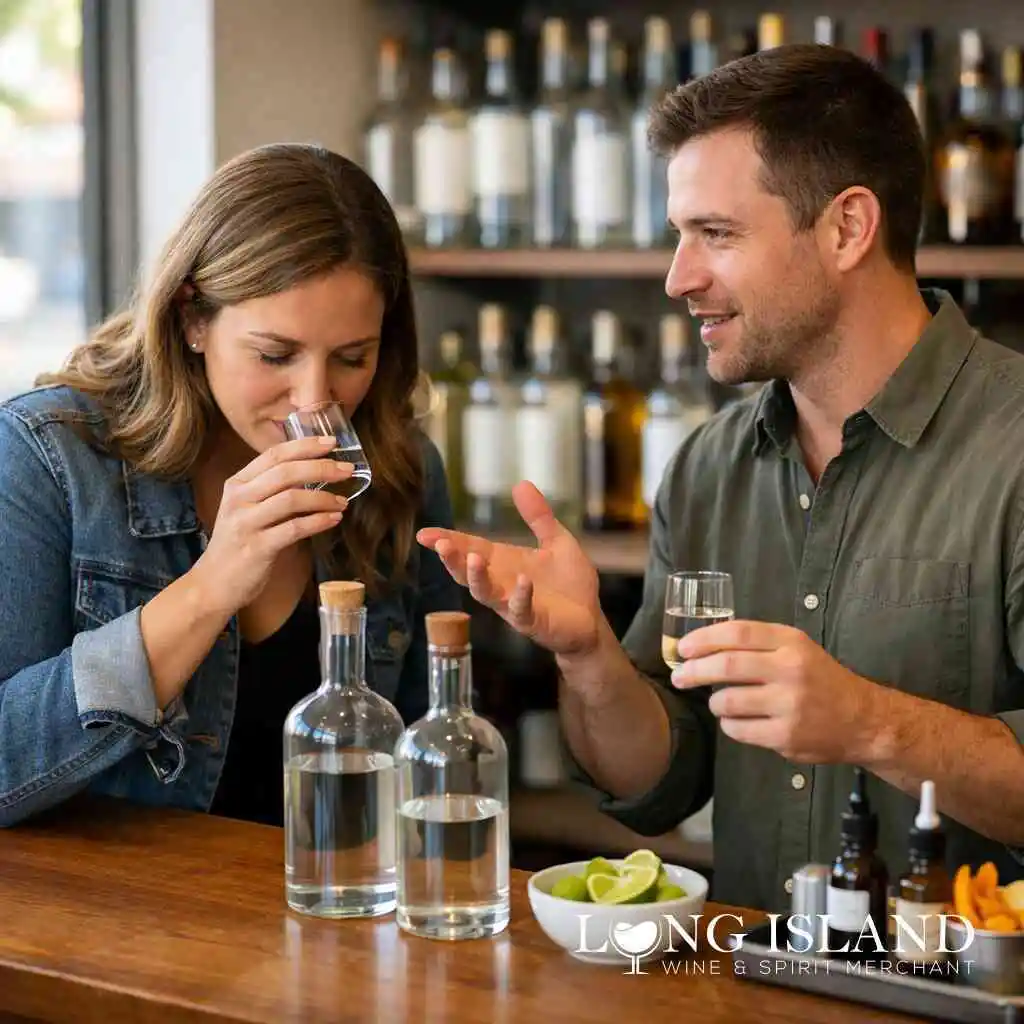
Tequila blanco is usually the sharpest and freshest option. It works well in margaritas and other tequila cocktails because it stays lively. Tequila reposado brings light barrel aging, which adds softness. Tequila añejo and extra añejo tequila move farther into oak, spice, and dessert-like depth.
A simple way to think about it is this:
- Blanco for bright cocktails
- Reposado for balance and gentle oak
- Añejo for sipping
- Extra añejo for slower, more contemplative pours
If you like a clean pour with lime and salt, blanco makes sense. If you want something smoother for a steak dinner, reposado may be better. If you are shopping for a bottle to enjoy after a meal in Huntington or near Sunken Meadow, añejo gives you more warmth and texture. For shoppers comparing options, our tequila blanco reposado añejo and extra añejo tequila guide can help narrow the field.
Picking mezcal joven, mezcal reposado, or small-batch mezcal when you want smoke without losing balance
Mezcal joven usually delivers the purest expression of the spirit. It is direct, bright, and often the most transparent about smoke and agave. Mezcal reposado picks up some barrel influence, which can round the edges. Small-batch mezcal often brings more personality, though not always more smoke.
The mistake we see most often is assuming more smoke means better mezcal. That is not true. The best bottles keep smoke in balance with fruit, herbs, and minerality. If you want a bottle that still feels easy to sip, our mezcal joven reposado and small-batch mezcal reference is a solid place to compare styles.
A couple in Commack once asked for a bottle that would work with grilled peaches, shrimp, and one very spicy salsa. We steered them toward a mezcal that had smoke, but not too much heat. It held up beautifully. That is the real job of a good bottle guide: match the spirit to the table, not the trend.
How to match agave spirits with margarita ingredients, mezcal cocktails, steak, grilled seafood, and Long Island party menus
Food pairing gets easier once you think about intensity. Bright tequila loves lime, orange liqueur, and salt. Smoky mezcal can stand next to char, spice, and sweetness. Both can work on a Long Island party menu if you choose carefully.
Use this quick pairing guide:
- Margarita ingredients: blanco tequila, fresh lime, and good triple sec
- Mezcal cocktails: mezcal with citrus, grapefruit, or ginger
- Steak: reposado tequila or a softer añejo
- Grilled seafood: blanco tequila or a light joven mezcal
- Summer parties: lower-proof, fresh, and easy to serve in batches
If you are planning for a wedding alcohol list, a backyard event, or a corporate gift basket, think about what guests actually drink. Not everyone wants smoke at every pour. That is why we often suggest a mix of tequila cocktails and mezcal cocktails for summer parties. For ingredient ideas, our margarita ingredients and mixology supplies page is a practical companion.
The smart way to buy agave spirits online from Commack without guessing wrong
Buying online should reduce stress, not add to it. You should know what you are getting, how it will be used, and whether it fits your budget and taste. That is especially true for agave spirits, where label language can get slippery fast. A trusted bottle guide helps you buy with confidence.
What premium tequila, artisanal mezcal, and additive-free tequila shoppers should look for on a bottle guide
Shoppers looking for premium tequila or additive-free tequila should check the production notes first. Look for agave source, aging style, and clear bottle language. With artisanal mezcal, read for agave type, region, and method. Those details matter more than a flashy label.
If you want a cleaner flavor profile, additive-free bottles are often the easiest place to start. If you want complexity, an artisanal mezcal can bring more texture and character. That is why the best premium liquor store and online liquor store shipping experience includes education, not just checkout. For a straightforward comparison, our additive-free tequila and premium tequila bottles page can help you shop smarter.
How to stock a home bar with mixology supplies, bitters and vermouth, and the right backup bottles
A good home bar does not need everything. It needs the right things. Start with one bottle of tequila, one bottle of mezcal, and a few reliable mixers. Then add bitters and vermouth for depth, plus citrus, soda, and tonic.
A smart backup shelf might include:
- Blanco tequila for quick cocktails
- Reposado tequila for richer pours
- Joven mezcal for smoke
- Vermouth for stirred drinks
- Bitters for balance
If you are building a bar for a house in Smithtown, a condo near Huntington, or a summer place closer to the North Fork, keep it flexible. You do not need ten bottles to drink well. You need bottles that earn their place. Our home bar essentials with bitters and vermouth page is useful when you are ready to fill in the gaps. You can also check our How Liquor Store Open builds a summer home bar in 2026 guide for more setup ideas.
Why a trusted Long Island liquor store matters for 50-state shipping, curbside pickup, gift baskets, corporate gifts, and the next round of summer cocktails or holiday spirits
A reliable Long Island liquor store saves time and avoids mistakes. That matters when you want a gift basket, a corporate gift, or a bottle for a last-minute dinner. It also matters when you want clear information on 50-state shipping, curbside pickup, and local service in Commack NY alcohol delivery areas. You should not have to guess.
That is where Liquor Store Open fits naturally. We serve customers who want quality, clarity, and a wide selection of Long Island spirits without the usual runaround. We help with summer cocktails, holiday spirits, and gift planning for people who want something thoughtful. If you are comparing options, our premium liquor store and online liquor store shipping page is a good place to check details before you order. And if you want something local, a Long Island spirits near Suffolk County for gift baskets option keeps gifting simple. You can also review the Ultimate Guide to Commack NY Alcohol Delivery and Pickup 2026 for local buying details.
You do not have to memorize every rule to choose well. Start with the flavor you want, then match the spirit to the meal or moment. If you are shopping from Commack, or anywhere across Long Island, order online, compare a few bottles, and pick the one that fits tonight’s table.
Frequently Asked Questions
Question: What Is the Difference Between Mezcal and Tequila in 2026, and how can I tell which agave spirit I’m tasting?
Answer: The easiest way to start is with the flavor and the label. Tequila usually tastes cleaner, brighter, and more direct, especially in tequila blanco form, while mezcal often leans into an earthy flavor profile, minerality, herbal notes, and that signature smoky mezcal character. That smoke usually comes from roasting agave in pit ovens during the mezcal production process, while tequila production process methods are typically designed to keep the spirit cleaner and more crisp. Looking at the bottle also helps: tequila is closely tied to blue Weber agave and Jalisco tequila traditions, while mezcal often uses espadín agave and comes from Oaxaca mezcal and other approved regions. If you are shopping from a Long Island Liquor Store like Liquor Store Open, we can help you compare bottles, understand denomination of origin, and choose the right agave spirits for sipping, cocktail mixing, or gifting.
Question: Which is better for cocktails at a Commack liquor store: tequila blanco, tequila reposado, mezcal joven, or mezcal reposado?
Answer: It depends on the drink you want to build. Tequila blanco is usually the best choice for bright tequila cocktails and margarita ingredients because it stays lively with lime, citrus, and salt. Tequila reposado adds barrel aging, which gives the spirit a softer, rounder feel for richer cocktail mixing or steak dinners. Mezcal joven is a strong pick when you want smoke without losing balance, while mezcal reposado brings a little oak influence that can smooth out the edges. At Liquor Store Open, we often suggest thinking about the occasion first: use blanco for fresh summer cocktails, joven for mezcal cocktails that still need clarity, and reposado styles when you want a deeper, slower sip. That kind of bottle guide makes it easier to shop confidently at an online liquor store without guessing wrong.
Question: What should I look for if I want additive-free tequila or artisanal mezcal from a premium liquor store?
Answer: Start with production notes, agave type, and region. For additive-free tequila, look for clear labeling, a focus on agave flavor, and a style that feels honest rather than overly sweet or heavily flavored. For artisanal mezcal, pay attention to the agave varieties, the use of tahona crushing, the roasting agave in pit ovens step, and any mention of small-batch mezcal or craft distillers. These details matter because they shape the final spirit more than flashy packaging ever will. Liquor Store Open is built to help customers compare premium tequila, artisanal mezcal, and other craft spirits with confidence. We also serve shoppers looking for Long Island spirits, rare whiskey, small-batch bourbon, single malt scotch, cognac, vodka, gin, rum, cordials, champagne, prosecco, and other bottles that fit home bar essentials, gift baskets, or corporate gifts.
Question: How do agave terroir, denomination of origin, and agave selection affect the taste of mezcal and tequila?
Answer: Agave terroir is a big part of the story. The plant, the soil, the climate, and the region all influence what ends up in the glass. Blue Weber agave tends to give tequila a more structured and familiar profile, while espadín agave and other mezcal varieties can create more texture, smoke, fruit, and savory depth. Denomination of origin matters too, because Jalisco tequila and Oaxaca mezcal are not interchangeable, even though both are agave distillates. The production rules, approved regions, and traditional methods all shape the final style. That is why some bottles feel crisp and clean, while others feel wild, earthy, and expressive. If you are comparing bottles online, Liquor Store Open can help make that spirit comparison easier with a friendly bottle guide and clear product descriptions.
Question: Can Liquor Store Open help with 50-state shipping, curbside pickup, gift baskets, or corporate gifts for tequila and mezcal?
Answer: Yes, and that is one of the biggest reasons customers trust us. Liquor Store Open is a Commack liquor store and online liquor store serving Long Island, including Suffolk County and surrounding areas, while also offering 50-state shipping where allowed. That makes it easier to plan for holiday spirits, New Year’s champagne, Valentine’s wine, summer cocktails, wedding alcohol, or corporate gifts without making a last-minute run. We also help with gift baskets, liquor bottle gift boxes, custom cases of liquor, and practical suggestions for home bar essentials like bitters and vermouth. Whether you want tequila for margaritas, mezcal for sipping, or a broader selection of fine wine, craft spirits, beer kegs, craft beer, organic wine, biodynamic wine, natural wine, rosé, cabernet, pinot noir, chardonnay, sauvignon blanc, sake, or amaro, our goal is to make shopping simple, warm, and reliable.


