
Why Does Mezcal Taste Smoky Compared with Tequila
November 24, 2026
Mezcal tastes smoky because its agave hearts are often cooked in underground pits with wood and hot stone, which adds roasted agave flavor and smoke to the spirit. Tequila usually uses ovens or autoclaves, so it keeps a brighter, cleaner agave profile instead of that campfire edge.
Key Takeaways
- Smoke in mezcal comes mostly from the cooking method, not from aging alone.
- Tequila and mezcal both start with agave, but their production methods create very different tasting notes.
- Pit-roasted agave can add earthy, savory, mineral, and herbal layers to mezcal.
- Blanco, reposado, and añejo tequila each show agave differently depending on time in oak.
- If you want to compare bottles side by side, a trusted guide to agave spirits can help you shop with more confidence.
Why does mezcal taste smoky when tequila usually does not
Mezcal tastes smoky because many producers roast the agave heart in a pit with wood and hot rocks before fermentation. That smoke gets into the cooked piña and carries through the distillation process. Tequila is usually made with oven-cooked agave, so it tends to taste cleaner, sweeter, and more citrusy than mezcal.
If you are standing in a store aisle in Commack trying to decide between the two, you are not imagining the difference. This part is genuinely confusing for most people, because both spirits come from agave and both can be elegant. We hear this from shoppers looking for something for a dinner party, a gift basket, or a smart bottle for the home bar.
The agave heart cooking methods that create roasted agave flavor and smoky aroma
The biggest reason mezcal tastes smoky is simple: the agave is cooked differently. Traditional mezcal often uses pit-roasted agave, where the hearts are buried with wood, charcoal, and stones, then covered for slow cooking. That process creates a roasted, smoky aroma that can read as earthy, savory, or even slightly bacon-like in the glass.
Tequila usually follows a less smoky path. Most producers cook agave in steam ovens or autoclaves, which preserve more fresh plant notes. The result is a spirit that can taste bright, peppery, and sweet instead of charred.
A customer in Suffolk County once told us mezcal reminded him of a backyard grill after a rainstorm. That was a good description. The smoke is not just a flavor note; it is part of the spirit’s texture and aroma, especially in traditional mezcal made with slower, more hands-on methods.
For a broader view of agave production and category rules, the Alcohol and Tobacco Tax and Trade Bureau is the federal source that regulates spirit labeling in the United States.
Why pit-roasted agave and slower mezcal production methods change the final glass in a way oven-cooked agave for tequila does not
Slower mezcal production methods usually preserve more rustic character. Along with smoke, you may get earthy flavor profile notes, mineral tones, herbal bitterness, and a dry finish. Those traits often come from the combination of roasting style, yeast choices, agave varietals, and small-batch distillation.
Tequila can still show depth, but it usually leans brighter. Compare the two side by side:
SpiritTypical cooking methodCommon flavor profileMezcalPit-roasted agaveSmoky, earthy, herbal, mineralTequilaOven-cooked agaveBright, sweet, peppery, citrusyThe broader point is that smoke is not a gimmick. It is the fingerprint of the process. If you want a bottle for sipping mezcal neat, that roasted profile can be beautiful. If you want something that slides neatly into a margarita or a lighter smoked cocktail, tequila may be the easier fit.
For a deeper comparison, our mezcal and tequila taste guide breaks down how those production choices show up in the glass. You can also explore what are the best mezcals for smoky cocktail recipes if you are looking for bottles suited to drinks.
What every Long Island drinker should know before choosing tequila vs mezcal
Tequila and mezcal are both agave spirits, but they drink differently enough that the right bottle depends on how you plan to serve it. Tequila usually feels brighter and more direct, while mezcal often feels more layered, smoky, and earthy. If you shop at a Long Island liquor store, it helps to think first about flavor, then about the cocktail or meal. 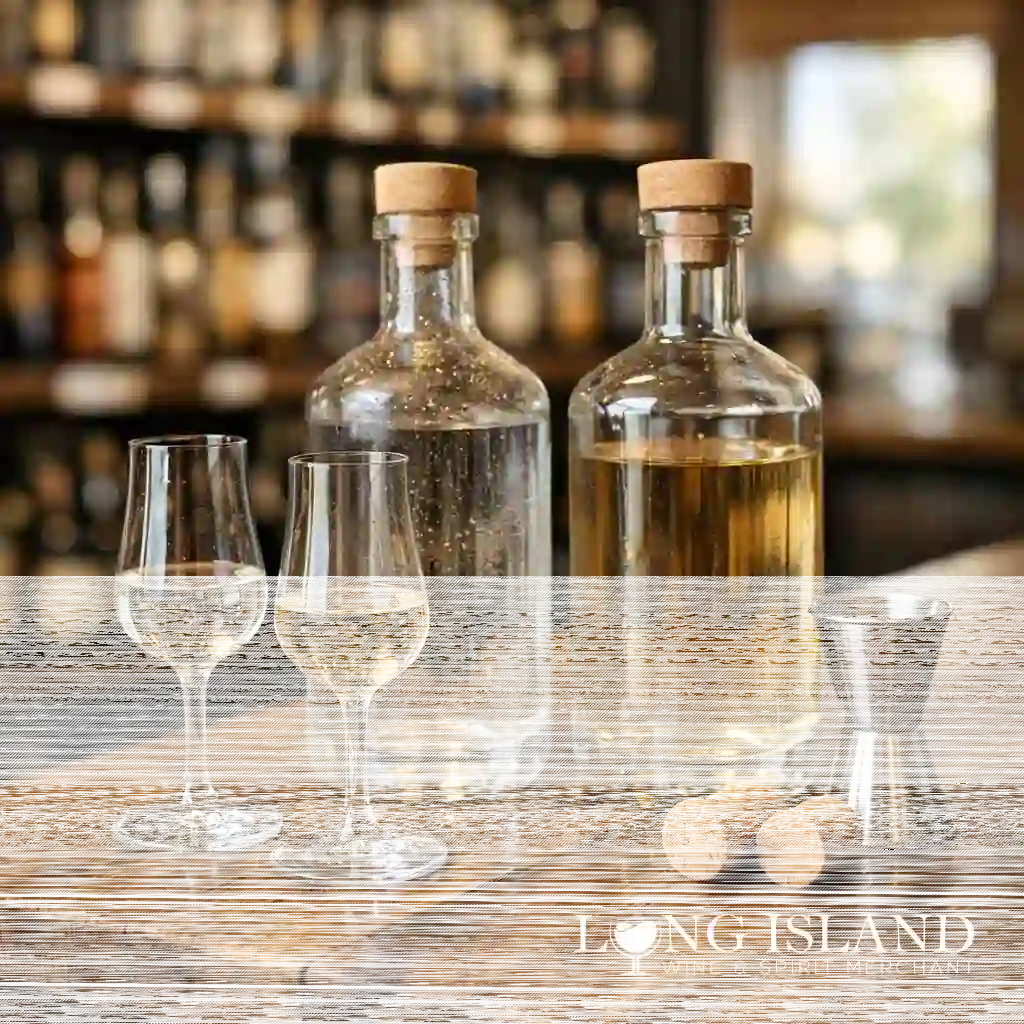
How tequila production methods shape blanco tequila, reposado tequila, and añejo tequila tasting notes
Tequila production sets the tone before aging even begins. Blanco tequila is usually unaged or rested briefly, so it shows the most direct agave character. Reposado tequila picks up gentle oak influence, and añejo tequila tends to bring vanilla, spice, and a rounder mouthfeel from longer barrel time.
Here is a simple tasting guide:
- Blanco tequila: crisp, peppery, citrus-forward, best for fresh cocktails.
- Reposado tequila: softer, lightly oaked, good for sipping or richer mixed drinks.
- Añejo tequila: deeper oak, spice, caramel, often better for slow sipping.
This is where a lot of home bar decisions get easier. If you want a bottle for mixology supplies, a blanco may be the cleanest choice. If you want something for a quiet pour after dinner near Huntington or Smithtown, reposado or añejo can feel more polished.
If you are building a broader bar, you may also want to compare tequila with other staples such as vodka or gin for different cocktail styles. For gifting, our gift ideas page can also help you find a bottle that feels thoughtful without being fussy.
Why espadín mezcal feels earthy, herbal, vegetal, and mineral next to brighter tequila profiles
Espadín mezcal is the most common entry point for many drinkers, and for good reason. It often shows smoke, but it also brings herbal notes, vegetal notes, and a mineral edge that can make it taste drier and more savory than tequila. The smoke is part of the picture, not the whole story.
That difference matters at the table. Mezcal can stand up to grilled meat, spicy salsa, or even a rich cheese course. Tequila often feels more open and lively in citrus-driven drinks. Neither is “better.” They just solve different problems.
One couple from the North Fork area came in looking for one bottle to cover a dinner with steak, roasted peppers, and a dessert board. We steered them toward mezcal because they wanted something that could hold its own without disappearing. They later told us the bottle worked from the first pour to the last bite.
If you want more structure around bottle selection, the differences between mezcal and tequila are worth a quick read before you buy. You may also like our guide to wedding alcohol planning on Long Island if you are choosing bottles for an event.
For shoppers in Commack, Suffolk County, and across Long Island, Liquor Store Open offers a convenient way to compare mezcal, tequila, craft spirits, and other categories in one place. If you are browsing for a special bottle, the store’s online liquor store format makes it easy to look from home and choose what fits your table.
If you want a bottle for a party, a quiet pour, or a gift basket, start with the flavor profile you actually want in the glass. Then order online for pickup or delivery where available, and choose the mezcal or tequila that fits your night instead of guessing at the shelf.
Frequently Asked Questions
Question: Why does mezcal taste smoky compared with tequila?
Answer: Mezcal usually tastes smoky because many producers use pit-roasted agave, where the agave hearts are cooked slowly with wood and hot stones before fermentation. That cooking method creates a roasted agave flavor and smoky aroma that carries into the finished spirit. Tequila is more often made with oven-cooked agave, which keeps the profile brighter, sweeter, and cleaner. At Liquor Store Open, we help customers compare tequila vs. mezcal based on flavor so you can choose the bottle that fits your cocktails, sipping style, or dinner plans.
Question: What should I know before reading Why Does Mezcal Taste Smoky Compared with Tequila if I want to choose the right bottle?
Answer: The biggest thing to know is that tequila and mezcal both come from agave, but the mezcal production methods and tequila production methods create very different tasting notes. Mezcal often brings earthy flavor profile notes, mineral notes, herbal notes, and vegetal notes, while tequila usually leans toward citrus, pepper, and sweet agave character. If you shop with Liquor Store Open, you can browse an online liquor store selection from home and look for a bottle that matches your needs, whether you want sipping mezcal, a crisp blanco tequila for mixology supplies, or a richer reposado tequila for a smoother pour.
Question: How do blanco tequila, reposado tequila, and añejo tequila differ in flavor for cocktails and sipping?
Answer: Blanco tequila is typically the brightest and most direct expression of agave, making it great for fresh cocktails and lighter mixed drinks. Reposado tequila spends time in oak, so it usually adds a softer, rounder texture and a touch of spice or vanilla. Añejo tequila rests longer and tends to show deeper oak, caramel, and baking spice notes, which many people enjoy for slow sipping. If you are building a home bar or comparing Long Island spirits for party planning, Liquor Store Open can help you find the style that fits your menu, whether you are making summer cocktails, looking for holiday spirits, or stocking up for a dinner party.
Question: Is espadín mezcal always smoky, and what flavors should I expect besides smoke?
Answer: Espadín mezcal is often smoky, but smoke is only part of the story. Many bottles also show herbal notes, vegetal notes, mineral notes, and a dry, earthy finish that makes them feel savory and layered. That complexity is why mezcal works so well for sipping mezcal neat or for a smoked cocktail with bitters, vermouth, or amaro. At Liquor Store Open, we like helping customers explore craft spirits with confidence, especially when they want something with character beyond the usual tequila profile.
Question: Can Liquor Store Open help me choose mezcal or tequila for gifts, events, or a home bar in Long Island?
Answer: Yes. Liquor Store Open is a Long Island liquor store and Commack liquor store that serves shoppers looking for tequila, mezcal, vodka, gin, rum, fine wine, and other craft spirits in one convenient place. If you are planning wedding alcohol, corporate gifts, gift baskets, or want to build home bar options with agave spirits, we can help you compare styles and choose a bottle that feels thoughtful and useful. We also carry a wide range of categories that can complement your selection, from rare whiskey and small-batch bourbon to cognac, champagne, prosecco, and craft beer. If you are shopping online, our 50-state shipping option can make browsing easier, though product availability should always be checked at the time of purchase.


